






What's Happening?
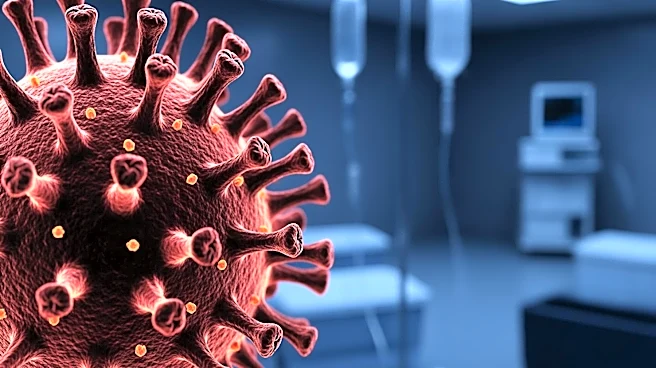
Ebola, a highly lethal virus, continues to pose significant challenges in treatment and prevention, particularly in resource-limited settings. The virus attacks key immune cells, delaying the body's adaptive immune response and allowing rapid spread throughout
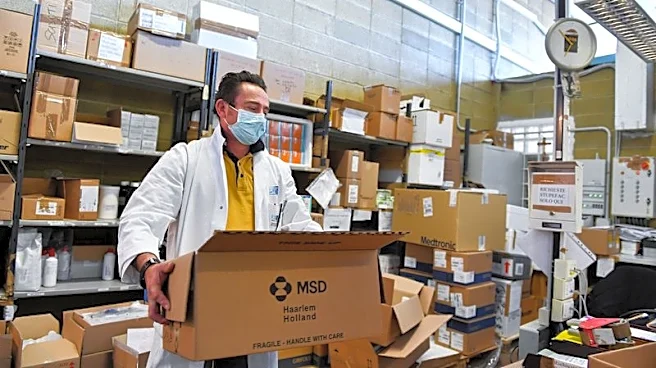
the body. This often leads to severe symptoms and high mortality rates. Basic supportive care, such as fluid replacement and blood pressure management, can improve survival rates, but such care is often difficult to deliver in outbreak regions due to limited resources. The current outbreak in the Democratic Republic of Congo highlights these challenges, as ongoing conflict and under-resourced medical facilities hinder effective response efforts.
Why It's Important?
The disparity in Ebola treatment outcomes between developed and developing regions underscores the need for improved global health infrastructure and resource allocation. While supportive care can significantly enhance survival rates, the lack of access to such care in outbreak regions results in higher mortality. This situation calls for international collaboration to strengthen healthcare systems and ensure equitable access to medical resources. Addressing these challenges is crucial for preventing future outbreaks and reducing the global health burden of Ebola and similar infectious diseases.
What's Next?
Efforts to combat Ebola will likely focus on enhancing healthcare infrastructure in affected regions and developing new treatments and vaccines. International organizations and governments may increase funding and support for research and healthcare improvements. Additionally, strategies to improve rapid response capabilities and resource distribution during outbreaks will be critical. Continued monitoring and collaboration among global health entities will be essential to mitigate the impact of Ebola and prevent future outbreaks.