







What's Happening?
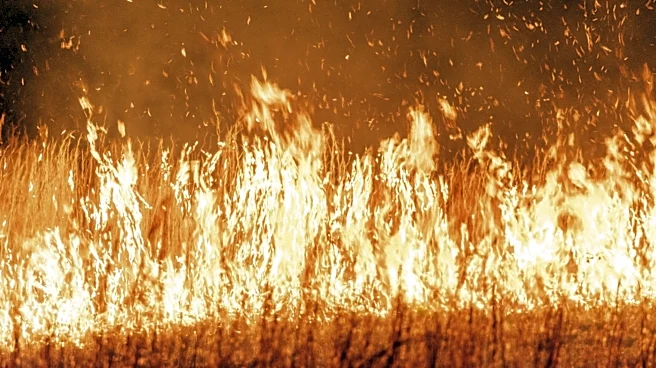
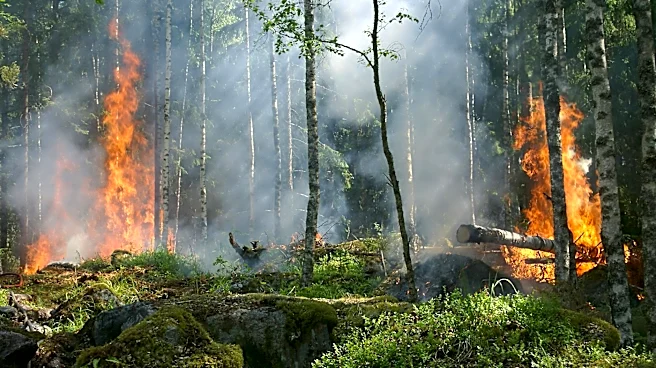
In southern Nevada, a collaborative effort between federal agencies and conservation groups is showing early signs of recovery in the Virgin River watershed, which was severely affected by the 2023 Huntsman Fire. The fire scorched approximately 400 acres,
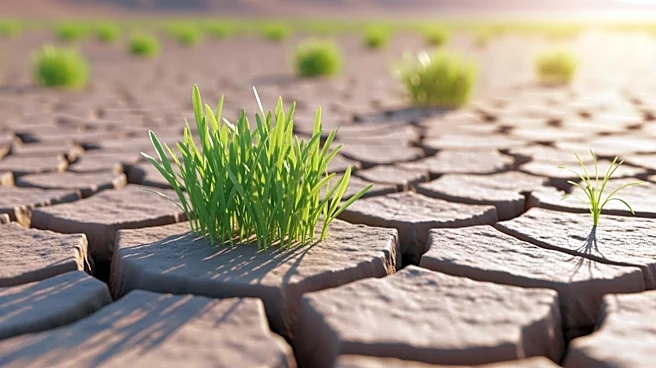
leaving behind exposed soil and ash, which, combined with invasive species and grazing pressure, have altered the habitat and water movement. Botanist Lilly Setters from the Bureau of Land Management (BLM) notes that salty soils have impeded the return of native vegetation. However, fencing efforts to keep cattle out of sensitive areas have led to an increase in native riparian plants. The restoration project, which received nearly $450,000 in emergency funding, aims to replace invasive tamarisk with native species like cottonwoods and willows, ultimately strengthening the watershed that feeds into the Colorado River.
Why It's Important?
The restoration of the Virgin River watershed is crucial for maintaining the ecological balance and water supply in the Mountain West region. The watershed supports rare species and is a vital water source for millions. The project not only aims to restore native habitats but also to enhance the resilience of the ecosystem against future climate challenges. Successful restoration could serve as a model for similar efforts in other fire-affected areas, highlighting the importance of collaboration between federal agencies and conservation groups. The initiative also underscores the need for continued funding and support to address the long-term impacts of climate change and human activities on natural landscapes.
What's Next?
The ongoing restoration efforts will focus on scaling up across similar waterways, employing strategies like fencing, vegetation planting, and water management improvements. These efforts are expected to take years and will require sustained funding and collaboration. As the region faces increasing temperatures and drier conditions due to climate change, the success of these projects will be critical in ensuring the resilience of the watershed and its ability to support both wildlife and human communities. Monitoring and adaptive management will be key to addressing emerging challenges and ensuring the long-term success of the restoration efforts.