




What's Happening?
The Trump administration has invoked Section 338 of the Smoot-Hawley Tariff Act to impose a 50% tariff on Canadian imports, marking the first use of this provision in 95 years. This move follows the Supreme Court's rejection of tariffs under the International
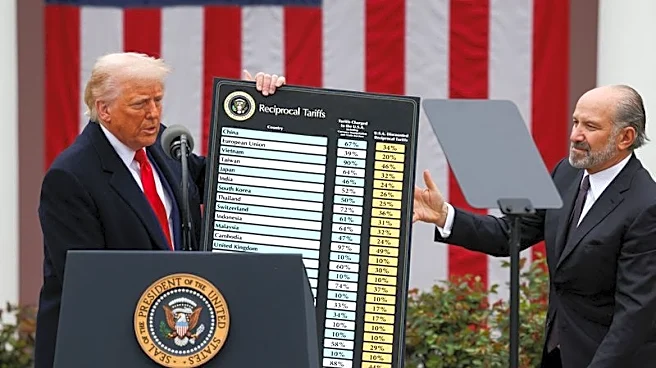
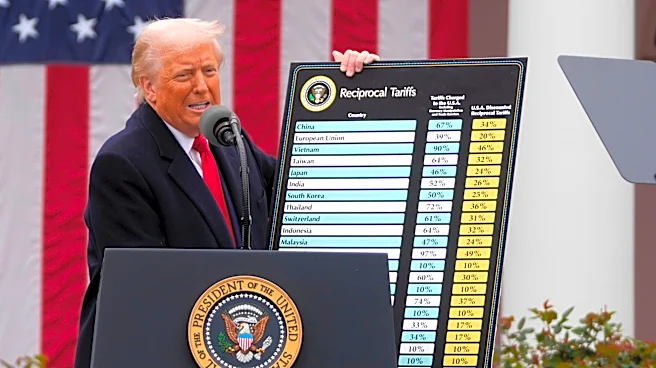
Emergency Economic Powers Act (IEEPA). The administration's tariff strategy has faced legal challenges, with critics arguing that it harms the U.S. economy and violates international trade agreements. The tariffs have led to increased prices and job losses, drawing comparisons to the economic impact of the Smoot-Hawley Tariff during the Great Depression.
Why It's Important?
The use of Section 338 to impose tariffs highlights the administration's aggressive trade policy, which has significant implications for the U.S. economy and international relations. The tariffs have sparked legal challenges and criticism from businesses and trade partners, raising concerns about the potential for trade wars and economic instability. The situation underscores the need for a balanced approach to trade policy that considers both domestic economic interests and international obligations. The outcome of the legal challenges could shape future trade policies and the administration's ability to impose tariffs unilaterally.
What's Next?
The legal challenges to the administration's tariff strategy are ongoing, with several states and businesses contesting the tariffs in court. The outcome of these cases could determine the future of the administration's trade policy and its ability to impose tariffs without congressional approval. The situation may also prompt discussions on the need for legislative reforms to clarify the scope of executive authority in trade matters and ensure that trade policies align with broader economic and diplomatic goals.