






What's Happening?
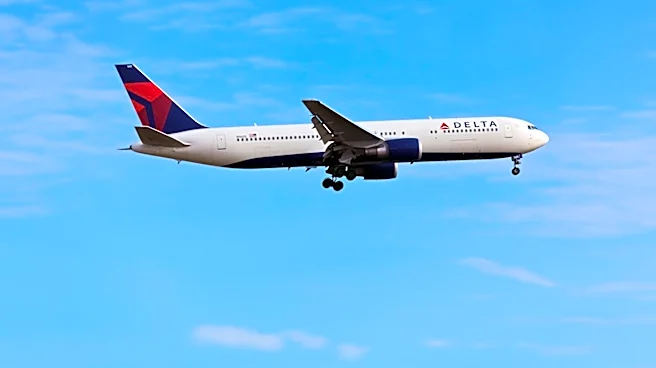
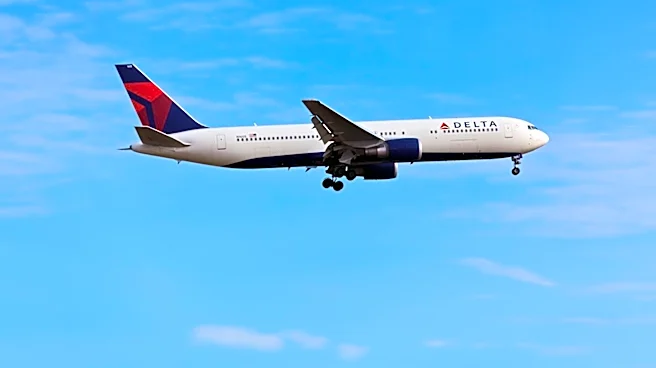
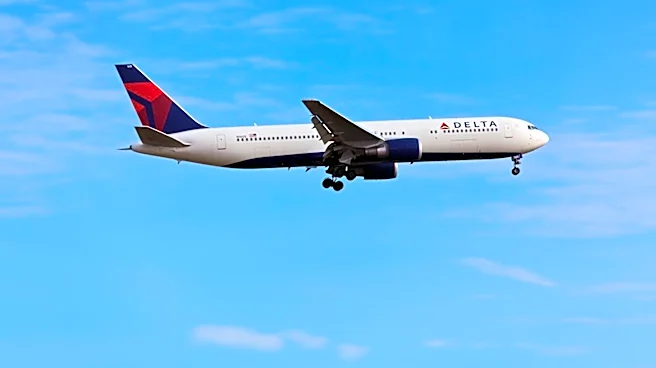
Delta Air Lines flight DL1660, en route from Kansas City to Atlanta, was diverted to St. Louis Lambert International Airport on Monday evening, November 9, 2026. The diversion occurred after the flight crew received a 'mechanical indication,' prompting
them to follow established procedures. The Boeing 737-900 landed safely in St. Louis approximately an hour after its departure from Kansas City. Delta confirmed the incident in a statement, apologizing for the delay and stating that a replacement aircraft was dispatched from Atlanta to complete the journey for the passengers. The original flight had climbed to 35,000 feet before turning back towards St. Louis, landing at 7:03 p.m. Central time. The airline has not disclosed the specific nature of the mechanical indication or the number of passengers on board. This incident follows another recent unexpected landing at Lambert International Airport in October involving an American Eagle jet.
Why It's Important?
This incident highlights the rigorous safety protocols and decision-making processes employed by airlines and flight crews in response to potential mechanical issues. The prompt diversion to the nearest suitable airport, St. Louis Lambert International, underscores the priority given to passenger safety over schedule adherence. While the term 'mechanical indication' is broad, covering anything from a minor sensor fault to a more significant system failure, the crew's adherence to procedures ensures that potential risks are mitigated immediately. For passengers, such diversions can cause significant inconvenience and delays, impacting travel plans and connections. For Delta Air Lines, it represents an operational disruption requiring the deployment of a replacement aircraft and logistical coordination to minimize further impact on its network and customer experience. The event also serves as a reminder of the complexities involved in modern air travel and the continuous need for vigilance in aircraft maintenance and operational safety.
What's Next?
Following the safe landing in St. Louis, Delta Air Lines arranged for a replacement Boeing 737-900ER, flight DL2833, to transport the passengers from St. Louis to Atlanta. This replacement flight was scheduled to depart St. Louis late on Monday evening, arriving in Atlanta in the early hours of Tuesday, significantly later than the original scheduled arrival time. The diverted aircraft's registration and current status have not been publicly disclosed. Delta will likely conduct an internal investigation to determine the precise nature of the 'mechanical indication' that prompted the diversion. This investigation will inform any necessary maintenance or operational adjustments to prevent similar occurrences. Passengers affected by the delay will likely receive updates and assistance from Delta regarding their onward travel. The FAA may also review the incident, particularly if the crew formally declared an emergency, though Delta's statement did not use that term.
Beyond the Headlines
The phrase 'mechanical indication' used by airlines often masks the underlying complexity of aircraft systems and the critical decisions flight crews must make under pressure. This incident underscores the importance of robust aircraft maintenance schedules and the continuous training of flight crews to respond effectively to a wide range of technical alerts. The decision to divert to St. Louis, a large airport with the necessary infrastructure, reflects a standard operating procedure designed to ensure safety and facilitate efficient recovery operations, such as bringing in a spare aircraft. Such events, while disruptive, reinforce public trust in aviation safety systems, demonstrating that potential issues are addressed proactively. The incident also subtly highlights the logistical challenges airlines face in managing unexpected disruptions, from re-routing passengers to deploying backup resources, all while maintaining operational integrity across a vast network.