




What's Happening?
A 2024 study published in the Journal of Bodywork and Movement Therapies indicates that active foam rolling, which combines pressure with voluntary movement, effectively raises the pressure pain threshold, improves stretch tolerance, and increases ankle
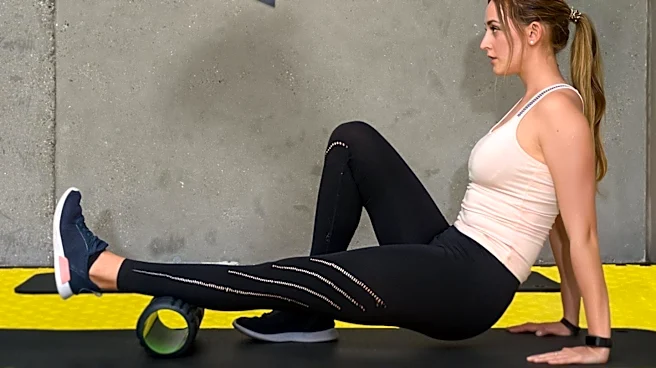
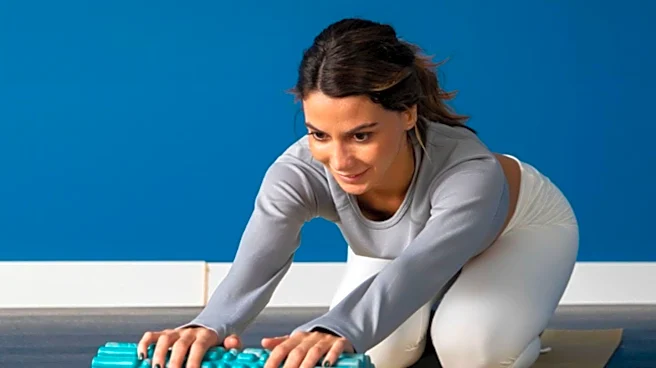
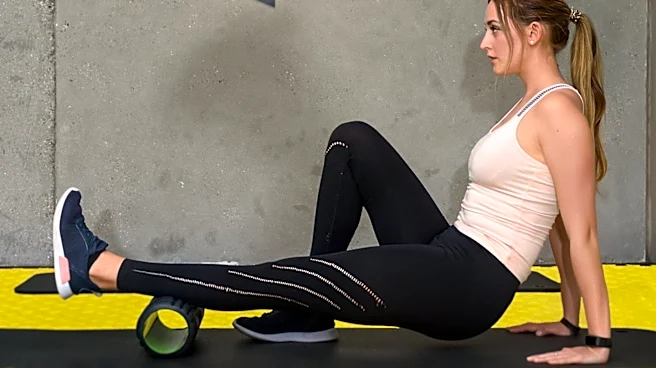
dorsiflexion. This research suggests that the benefits of foam rolling are more pronounced when individuals actively move over the roller rather than simply resting on it. The study found no similar gains from sham rolling alone. Foam rolling is a self-myofascial release technique that uses a cylindrical tool to apply pressure to specific muscle groups, aiming to relieve tightness, soreness, and inflammation, and enhance joint range of motion. It is often recommended as part of warm-up or cool-down routines before and after exercise. When experiencing sharp pain during foam rolling, it is advised to reduce pressure, move to a different area, or use a softer roller.
Why It's Important?
This study provides scientific backing for the efficacy of active foam rolling, which is significant for athletes, fitness enthusiasts, and individuals seeking relief from muscle soreness and improved flexibility. The findings can influence training protocols and recovery strategies in sports and physical therapy settings across the U.S. By demonstrating that active movement during rolling yields better results, the research encourages a more dynamic approach to self-myofascial release, potentially leading to more effective injury prevention and performance enhancement. For the fitness industry, this could translate into updated guidance for clients and the development of new foam rolling techniques and products. The emphasis on neural rather than purely mechanical effects also deepens the understanding of how foam rolling impacts the body, potentially leading to more targeted and beneficial applications.
What's Next?
The findings of this 2024 study are likely to be incorporated into best practices for physical therapists, athletic trainers, and fitness coaches. Future research may explore the optimal duration, frequency, and specific movements for active foam rolling across different muscle groups and populations. The study also opens avenues for investigating the long-term benefits of active foam rolling on muscle recovery, injury rates, and overall athletic performance. Manufacturers of foam rollers and related recovery tools may use these insights to refine product designs and marketing strategies, emphasizing the importance of active engagement during use. Educational programs for fitness professionals may also update their curricula to reflect the latest evidence on effective foam rolling techniques.
Beyond the Headlines
The distinction between active and passive foam rolling highlighted by this study underscores a broader trend in fitness and rehabilitation towards more dynamic and engaged recovery methods. This shift moves beyond static approaches, emphasizing the body's active participation in its own healing and conditioning. Ethically, this research promotes evidence-based practices, encouraging individuals and professionals to adopt techniques proven to be effective, thereby optimizing health outcomes and resource allocation. Culturally, as awareness of self-care and preventative health grows, the validation of active foam rolling could lead to its wider adoption as a routine practice, integrating it more deeply into daily wellness regimens for a healthier, more mobile population.