



What's Happening?
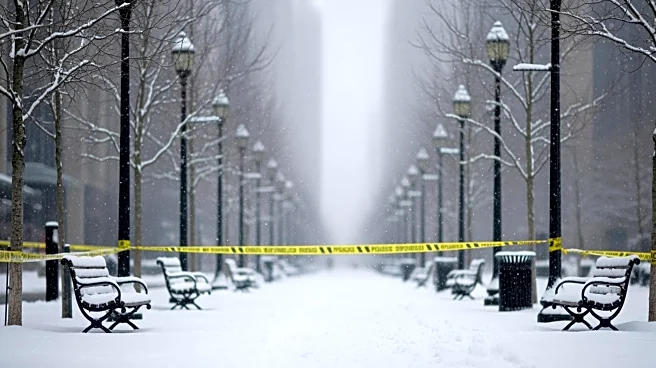
The Blizzard of 2026 has resulted in record snowfall across Massachusetts, with some areas receiving over three feet of snow. Southeastern Massachusetts was particularly affected, experiencing snowfall rates of four inches per hour. Providence, Rhode
Island set a new record with 37.9 inches of snow, surpassing the previous record from the Blizzard of 1978. Boston recorded 17.1 inches, marking the first above-average snowfall season in four years. The storm has caused widespread power outages and significant disruptions to daily life, with emergency services working to manage the impact.
Why It's Important?
The severe weather conditions have highlighted vulnerabilities in infrastructure and emergency preparedness across the region. The record snowfall and associated power outages have disrupted transportation, business operations, and daily activities, emphasizing the need for robust emergency response strategies. The storm's impact on Southeastern Massachusetts and surrounding areas underscores the importance of investing in resilient infrastructure and community support systems to mitigate the effects of extreme weather events. The situation also raises questions about climate patterns and the increasing frequency of severe weather, prompting discussions on long-term environmental and policy implications.
What's Next?
As the region continues to recover from the blizzard, efforts will focus on restoring power and clearing roads to resume normal activities. Emergency services will remain active, providing support and resources to affected communities. The National Weather Service and local authorities will monitor weather conditions closely, preparing for potential additional snowfall later in the week. The experience may lead to evaluations of current emergency preparedness plans and infrastructure resilience, potentially influencing future policy decisions and investments in climate adaptation strategies.