






What's Happening?
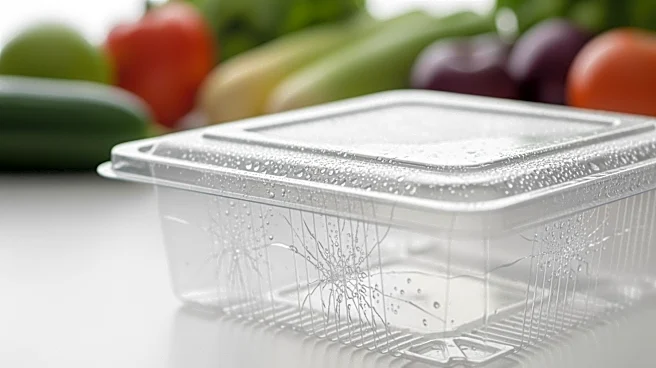
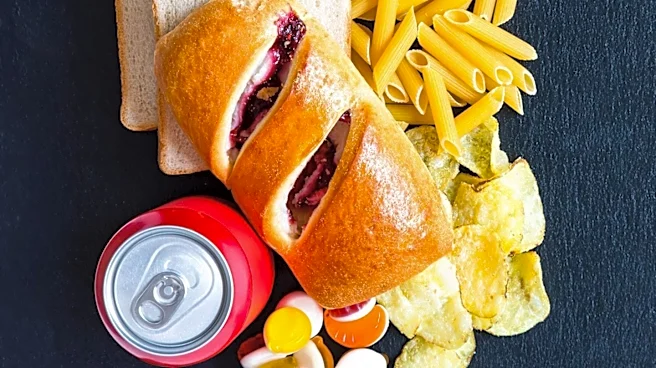
Recent research highlights the potential health risks associated with plastic packaging used for ultra-processed foods (UPFs). These foods, already linked to various health issues such as cardiovascular disease and diabetes, may pose additional risks due
to chemicals in their packaging. Common chemicals like bisphenols, phthalates, and PFAS can migrate from packaging into food, potentially leading to negative health outcomes. The study emphasizes that UPFs, often high in fat and heavily processed, are particularly susceptible to these chemicals. The industry is encouraged to consider inert materials like glass and ceramics to mitigate these risks, although this shift may require significant infrastructure changes.
Why It's Important?
The findings underscore the broader implications for public health and the food industry. As consumers become more aware of packaging-related health risks, there may be increased demand for safer packaging alternatives. This could drive innovation in packaging materials and influence regulatory policies. The potential health impacts also highlight the need for stricter oversight and transparency in food packaging practices. For the food industry, adapting to these changes could involve significant costs and operational adjustments, but it may also present opportunities for companies to differentiate themselves by prioritizing consumer safety.