



What's Happening?
In the second quarter of 2026, electric vehicles (EVs) accounted for 37.7% of the automotive market share in Germany, a significant increase from 28.6% in the same period last year. Battery electric vehicles (BEVs) alone represented 26.5% of the market,
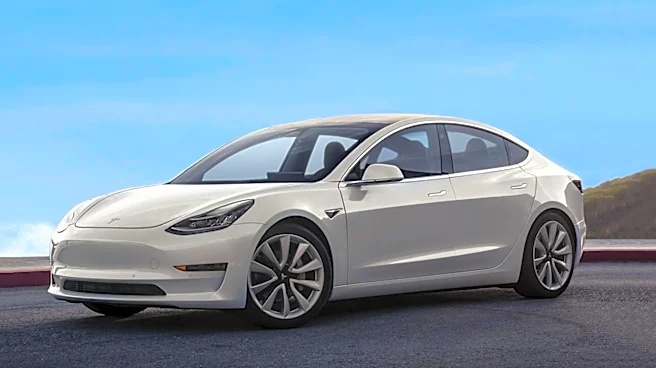
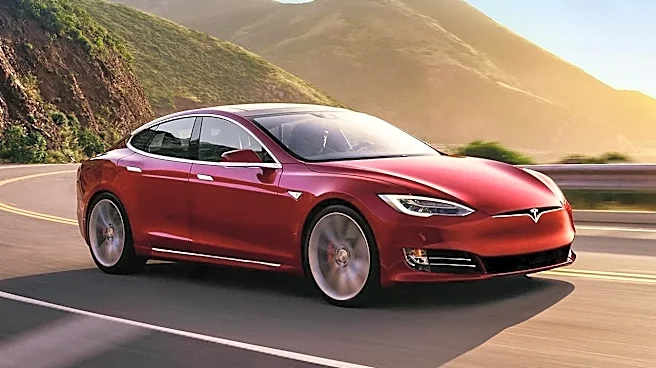
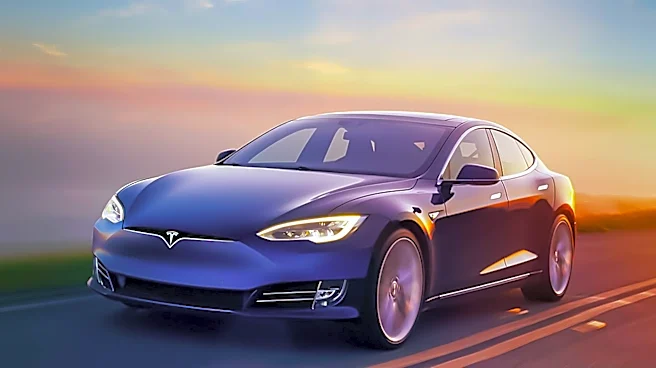
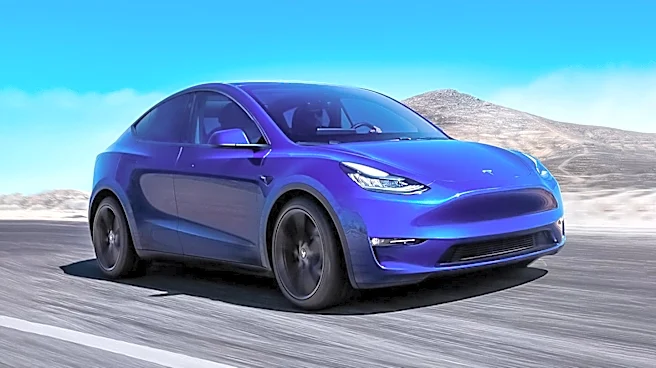
with the Tesla Model Y emerging as the best-selling BEV, registering 10,401 units. The Volkswagen ID.3 and Skoda Elroq followed closely. This growth is attributed to improved incentive policies and high oil prices due to geopolitical tensions. The German market is also seeing a shift towards smaller, more affordable models from the Volkswagen Group, such as the Cupra Raval and VW Polo, which are expected to drive further growth in the EV sector.
Why It's Important?
The rising market share of EVs in Germany reflects a broader trend towards sustainable transportation solutions, driven by policy incentives and economic factors like oil prices. This shift is crucial for reducing carbon emissions and meeting climate goals. The success of models like the Tesla Model Y indicates strong consumer demand for electric vehicles, which could influence automakers to accelerate their EV production plans. The transition also poses challenges, such as the need for infrastructure development and the potential economic impact on traditional automotive sectors. As Germany is a key automotive market, these developments could have significant implications for the global automotive industry.