






What's Happening?
Prebiotics are specialized dietary fibers that resist digestion in the small intestine and are fermented by beneficial gut bacteria in the colon. This fermentation process generates short-chain fatty acids (SCFAs), particularly butyrate, which are crucial
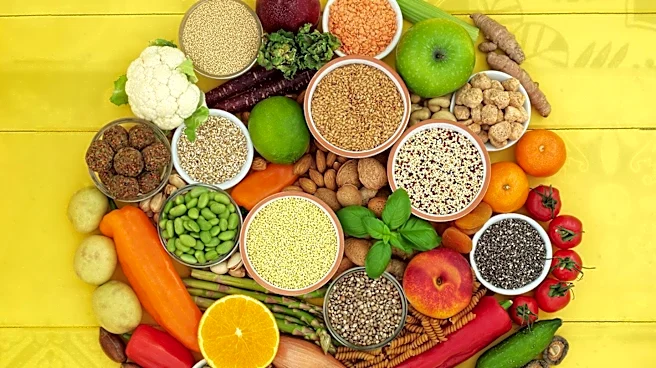
for maintaining gut health. Butyrate fuels colon cells, strengthens the intestinal barrier, and helps regulate inflammation. Foods rich in prebiotics include garlic, onions, bananas, and whole grains. These fibers act as essential fuel for health-promoting bacteria such as Bifidobacterium, Lactobacillus, Faecalibacterium prausnitzii, Roseburia, and Akkermansia muciniphila, enabling them to multiply and produce beneficial molecules. The allicin found in garlic, for instance, not only provides prebiotics but also supports the intestinal barrier, which prevents harmful compounds from entering the bloodstream while allowing nutrients to pass through. This mechanism highlights the importance of prebiotic-rich foods in supporting a balanced gut microbiome and overall digestive function.
Why It's Important?
The role of prebiotics in supporting gut health has significant implications for overall human well-being, extending beyond digestion to immune function and inflammation regulation. A healthy gut microbiome, fostered by prebiotics, is linked to improved digestion and a stronger immune system. The production of SCFAs, especially butyrate, is vital because colon cells primarily rely on it for energy, strengthening the gut wall and maintaining an oxygen-free environment necessary for beneficial anaerobic bacteria. Without sufficient butyrate, the gut lining can weaken, allowing oxygen to leak into the colon, which can lead to the proliferation of harmful bacteria and increased inflammation. This can result in digestive discomfort and damage to the intestinal lining. Therefore, incorporating prebiotics into the diet is a proactive measure to support the body's natural defenses, reduce chronic inflammation, and potentially mitigate the risk of various health conditions linked to gut dysbiosis.
What's Next?
Continued research and dietary recommendations are likely to emphasize the importance of prebiotic intake for maintaining optimal gut health. As understanding of the gut microbiome deepens, there may be a greater focus on personalized nutrition plans that incorporate specific prebiotic fibers to address individual health needs. The infant formula industry is already seeing an increased demand for prebiotics and probiotics, with manufacturers adding ingredients like GOS and FOS to support beneficial gut bacteria and enhance digestive and microbiome-focused nutritional profiles in infant formulas. This trend suggests a broader integration of prebiotics into various food products and supplements aimed at improving gut health across all age groups. Consumers can expect more readily available information and products that highlight the benefits of prebiotics, encouraging dietary changes that include more fiber-rich foods and potentially targeted supplements.
Beyond the Headlines
The emphasis on prebiotics extends beyond simple dietary fiber, touching upon the intricate ecological balance within the human gut. The 'cross-feeding' mechanism, where some bacteria consume the waste products of others to produce beneficial molecules like butyrate, illustrates a highly efficient and cooperative microbial community. This highlights the interconnectedness of different bacterial species and the importance of providing a diverse range of prebiotics to support this complex ecosystem. Furthermore, the ability of SCFAs to act as 'gene controllers' in immune cells, inhibiting enzymes that keep anti-inflammatory genes inactive, reveals a profound epigenetic regulatory role. This suggests that dietary choices, particularly those involving prebiotics, can directly influence gene expression and immune responses, offering a deeper understanding of how food impacts long-term health and disease prevention. The synergy between prebiotic intake and regular aerobic exercise further underscores a holistic approach to health, where physical activity complements dietary strategies to optimize gut function and overall vitality.