






What's Happening?
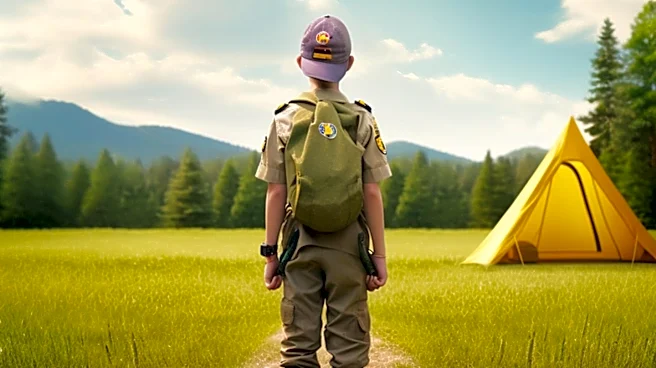
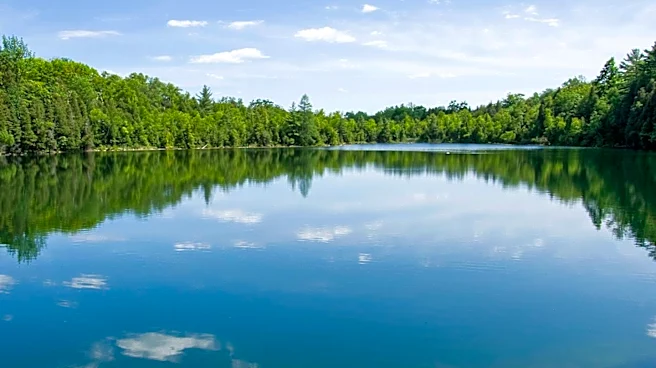
On July 26, members of Lamar Scouts BSA Troop 218 and Venture Crew 218 participated in a cleanup initiative at North Gateway Ponds as part of the Scouting for Clean Waterways program. Despite the hot weather, the group managed to collect approximately
10 bags of trash from the swimming pond area within 40 minutes. Following the cleanup, participants rented kayaks and paddleboards from The Aquaholics to cool off. The initiative emphasizes the importance of environmental stewardship and encourages visitors to pack out their trash and conduct area sweeps before leaving.
Why It's Important?
The cleanup effort by Lamar Scouts BSA Troop 218 and Venture Crew 218 highlights the role of community groups in environmental conservation. Such initiatives are crucial in maintaining local natural resources and promoting sustainable practices. By engaging youth in these activities, the program fosters a sense of responsibility and awareness about environmental issues. This effort not only improves the local ecosystem but also sets a precedent for other communities to follow, potentially leading to broader environmental benefits and increased public engagement in conservation efforts.
What's Next?
Future activities may include more frequent cleanups and expanded participation from other community groups. The success of this initiative could inspire similar programs in neighboring areas, enhancing regional environmental health. Stakeholders such as local government and environmental organizations might collaborate to provide resources and support for ongoing conservation efforts. Additionally, educational programs could be developed to further engage the community and raise awareness about the importance of environmental stewardship.
Beyond the Headlines
The cleanup initiative at North Gateway Ponds reflects broader cultural shifts towards environmental consciousness and community involvement. It underscores the ethical responsibility of individuals and groups to protect natural habitats. Long-term, such efforts can lead to improved public health, increased biodiversity, and enhanced quality of life. The initiative also serves as a model for integrating environmental education into youth programs, potentially influencing future generations to prioritize sustainability.