



What's Happening?
The Nuclear Regulatory Commission (NRC) has issued a construction permit for the Long Mott Generating Station in Calhoun County, Texas. This marks the first construction permit for a high-temperature gas-cooled reactor in nearly 60 years and is the third
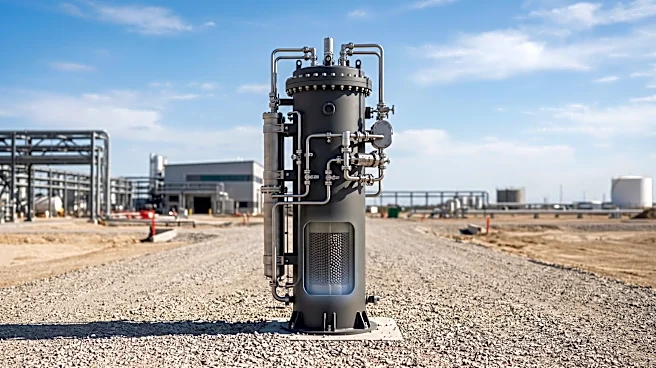
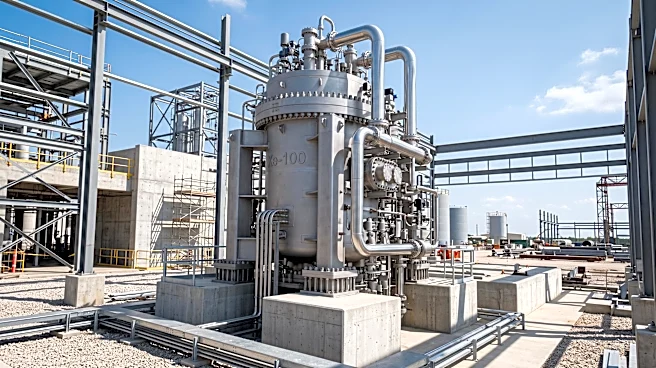
advanced reactor construction permit issued by the NRC this year. Long Mott Energy plans to build a four-reactor facility, featuring four X-energy Xe-100 reactors. The primary purpose of this facility will be to generate high-temperature steam for industrial use at the Dow Seadrift Operations site, with excess electricity being exported to the grid. This permit represents several regulatory firsts for the NRC, including its first approval of a multimodule advanced reactor facility, a reactor with a pebble-bed core, a design with online nuclear refueling, and a review of a high-temperature gas-cooled reactor under the agency’s risk-informed, technology-inclusive Licensing Modernization Project framework. NRC staff completed the safety evaluation ahead of schedule in October, and an Environmental Assessment was issued in May.
Why It's Important?
This permit signifies a significant step forward for advanced nuclear technology in the United States. The deployment of high-temperature gas-cooled reactors, like those planned for the Long Mott Generating Station, offers a new pathway for industrial decarbonization by providing high-temperature steam, which is crucial for many industrial processes. This could reduce reliance on fossil fuels in sectors that are difficult to electrify. The ability to export excess electricity to the grid also contributes to overall energy diversification and grid stability. The NRC's efficient review process, completing the safety evaluation ahead of schedule, demonstrates a commitment to streamlining the deployment of advanced nuclear technologies, which could encourage further investment and development in the sector. This development could position the U.S. as a leader in advanced nuclear energy, offering both environmental and economic benefits.
What's Next?
While the construction permit allows Long Mott Energy to build the facility, it does not authorize operation. Before the reactors can be loaded with fuel or begin operation, the company must obtain a separate operating license from the NRC. This next phase will involve further regulatory scrutiny to ensure the facility meets all operational safety standards. The NRC is also collaborating with interagency partners to implement reforms outlined in new Executive Orders and the ADVANCE Act, aiming to streamline agency activities and enhance efficiency in nuclear regulation. This ongoing effort suggests a continued focus on facilitating the deployment of advanced nuclear technologies, potentially leading to more such projects in the future.
Beyond the Headlines
The issuance of this permit highlights a broader shift in U.S. energy policy towards advanced nuclear technologies as a key component of a clean energy future. The focus on high-temperature gas-cooled reactors, with their ability to provide process heat for industrial applications, addresses a critical gap in decarbonization efforts beyond electricity generation. This could foster innovation in industrial processes and create new economic opportunities in manufacturing and energy sectors. The NRC's successful and timely review process under a modernized framework also sets a precedent for future advanced reactor projects, potentially accelerating the adoption of these technologies. This move could also influence international nuclear energy development, as other nations look to the U.S. for leadership in advanced reactor deployment and regulation.