



What's Happening?
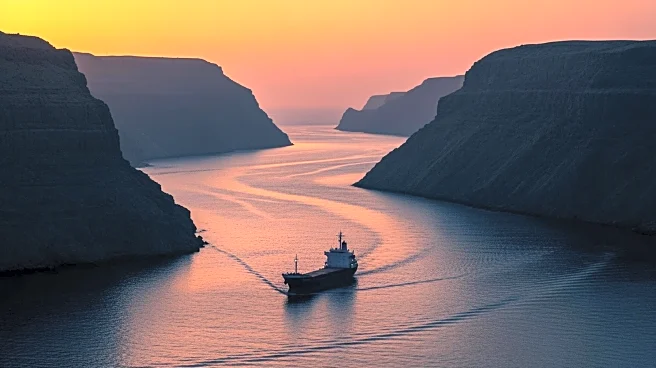
Tensions in the Middle East have escalated as President Trump issued a 48-hour ultimatum to Iran to reopen the Strait of Hormuz to shipping traffic. The closure has significantly impacted global oil and gas supplies, causing prices to rise sharply. In
response, Iran has threatened to target U.S. and regional infrastructure. Concurrently, Israel has conducted strikes on Tehran following Iranian missile attacks on southern Israeli towns, which resulted in over 100 injuries. The situation has drawn international attention, with the G7 and EU calling for an end to Iranian attacks and supporting the right of affected countries to defend themselves.
Why It's Important?
The closure of the Strait of Hormuz, a critical chokepoint for global oil shipments, poses a significant threat to international energy markets and economic stability. The U.S. ultimatum and potential military actions could further destabilize the region, affecting global oil prices and supply chains. The conflict also risks broader geopolitical ramifications, drawing in major powers and regional allies. The situation underscores the fragile nature of Middle Eastern geopolitics and the potential for rapid escalation into broader conflict, impacting global economic and security interests.
What's Next?
The international community is closely monitoring the situation, with potential diplomatic interventions to de-escalate tensions. The U.S. military's readiness to act if Iran does not comply with the ultimatum could lead to significant military engagements. Regional allies and global powers may seek to mediate or prepare for potential disruptions in energy supplies. The outcome of this standoff will likely influence future diplomatic and military strategies in the region.