

What's Happening?
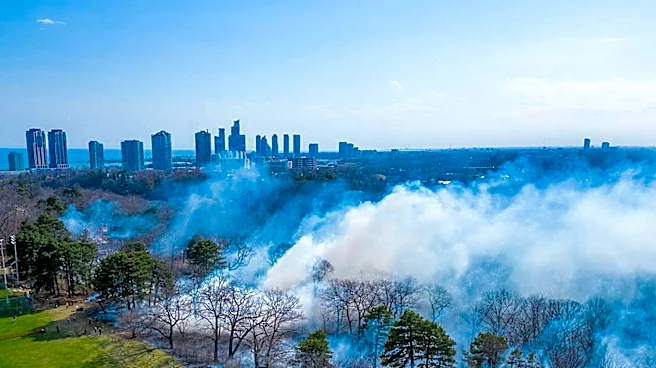
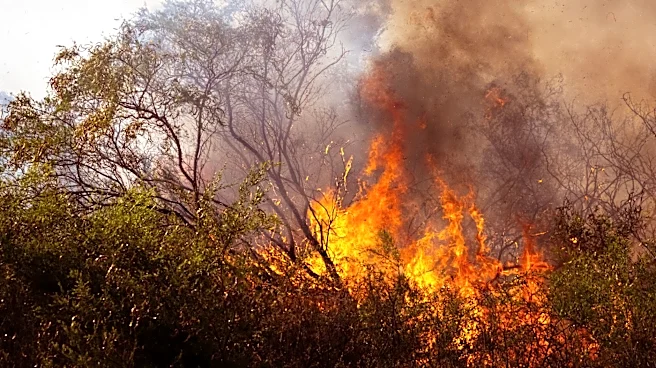
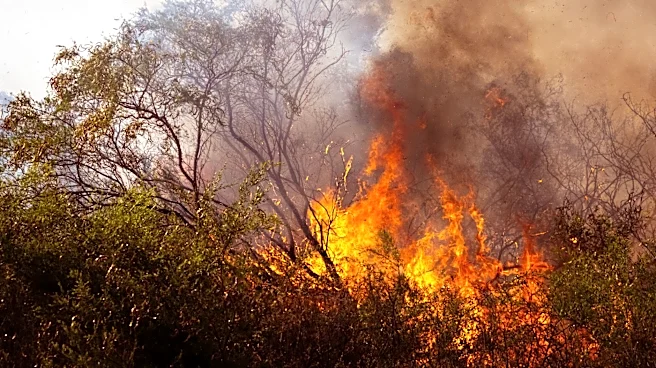
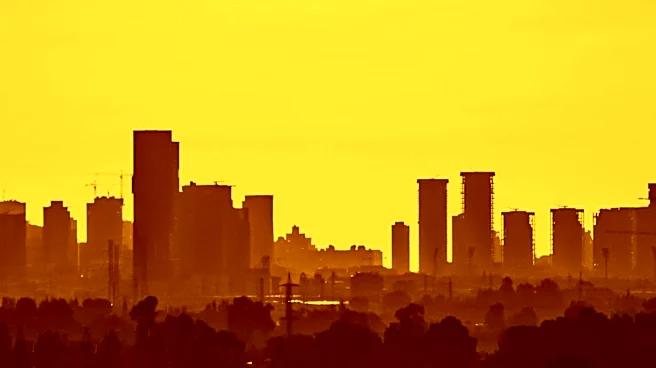
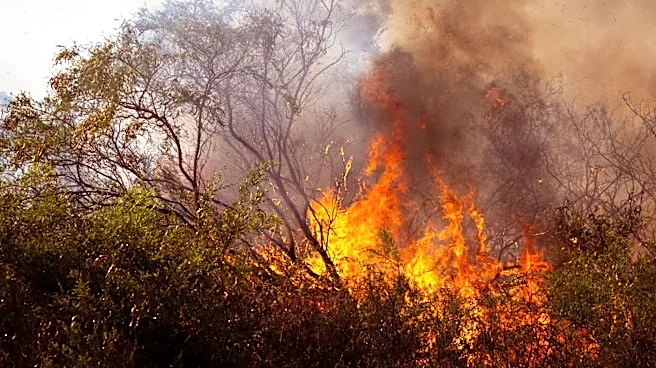
Utah is experiencing multiple wildfires as extreme heat warnings are issued across the state. The National Weather Service recorded a high of 105 degrees in Salt Lake City, matching the record for August 1. Fires such as the Winkle Bob Fire in Sevier
County and the Johnson Canyon Fire in Box Elder County have prompted emergency responses. The Widemouth 2 Fire in Millard County has expanded, threatening structures and leading to evacuation orders. The Black Canyon Fire, started by a lightning strike, is being managed by the U.S. Forest Service. The extreme heat and dry conditions are exacerbating fire risks, with several areas under evacuation alerts.
Why It's Important?
The wildfires highlight the increasing vulnerability of Utah to extreme weather conditions, which are likely exacerbated by climate change. The fires pose immediate threats to communities, infrastructure, and natural resources. The economic impact includes potential damage to property and increased costs for firefighting efforts. The situation underscores the need for effective emergency management and preparedness strategies to protect residents and mitigate damage. It also raises concerns about long-term environmental impacts and the need for sustainable land and resource management practices.
What's Next?
Firefighting efforts are ongoing, with additional resources being deployed to contain the fires. Residents in affected areas are advised to stay informed and prepared for possible evacuations. Authorities are likely to continue monitoring weather conditions closely, as high temperatures and dry conditions persist. Long-term, there may be increased focus on developing strategies to manage and prevent wildfires, including community education and infrastructure improvements to enhance resilience against such events.