



What's Happening?
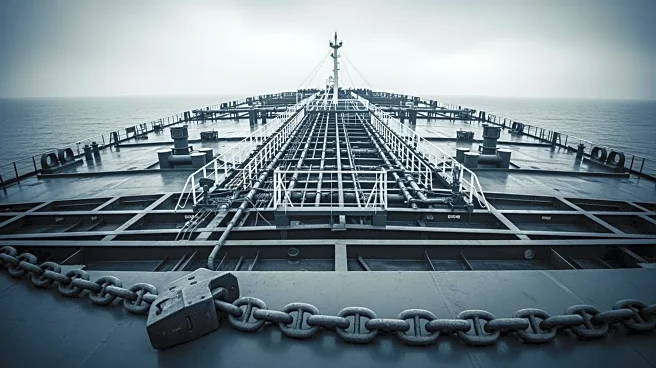
The United States has imposed sanctions on nine ships accused of transporting Iranian oil to foreign markets, as part of a response to Iran's internet shutdown during a crackdown on nationwide protests. The U.S. Treasury Department announced these sanctions,
highlighting that the targeted vessels are part of a shadow fleet used to bypass international sanctions. This move is intended to cut off a significant source of revenue for Iran, which the U.S. claims is used to suppress its citizens. The sanctions prevent the involved parties from engaging in business with Americans or accessing U.S. financial systems. This action is part of escalating tensions between the U.S. and Iran, with President Trump indicating a readiness to take further action if necessary.
Why It's Important?
The sanctions underscore the U.S. government's strategy to exert economic pressure on Iran, aiming to curb its ability to finance domestic repression. This move could further strain U.S.-Iran relations and impact global oil markets, as Iran is a significant oil producer. The sanctions also reflect the U.S.'s broader geopolitical strategy in the Middle East, where it seeks to counter Iranian influence. For American businesses, these sanctions mean increased compliance requirements and potential disruptions in markets linked to Iranian oil. The action also signals to other nations the U.S.'s commitment to using economic tools to address human rights abuses.
What's Next?
The situation may lead to further diplomatic tensions, with potential retaliatory measures from Iran. The U.S. might continue to increase its military presence in the region as a deterrent. Additionally, international reactions could vary, with some countries possibly challenging the U.S. sanctions or seeking alternative arrangements to access Iranian oil. The effectiveness of these sanctions in curbing Iran's actions will likely be monitored closely by global stakeholders.