




What's Happening?
Iran's strategic islands, particularly Qeshm, Larak, and Hormuz, play a crucial role in Tehran's military strategy in the Strait of Hormuz. Qeshm Island, the largest and most populous, serves as a key base for the Islamic Revolutionary Guard Corps (IRGC),
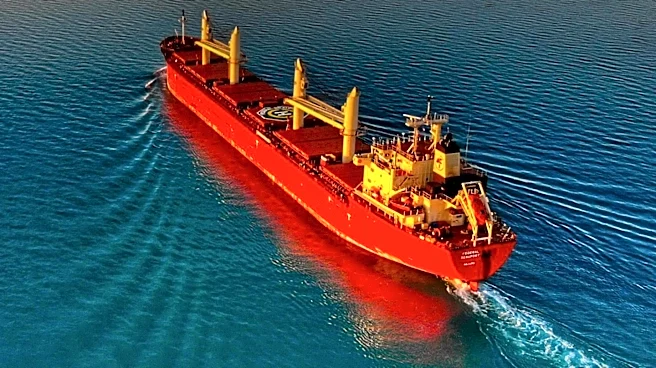
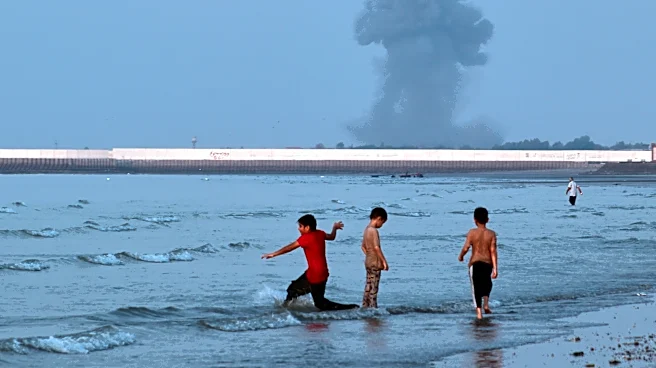
featuring an underground tunnel network and submarine deployment capabilities. Larak Island, located closest to the Strait, is pivotal for monitoring global shipping and exerting control over maritime traffic. Hormuz Island, while less significant, provides critical intelligence on the strait's activities. These islands are fortified with Iranian weaponry, making them challenging targets for U.S. military operations.
Why It's Important?
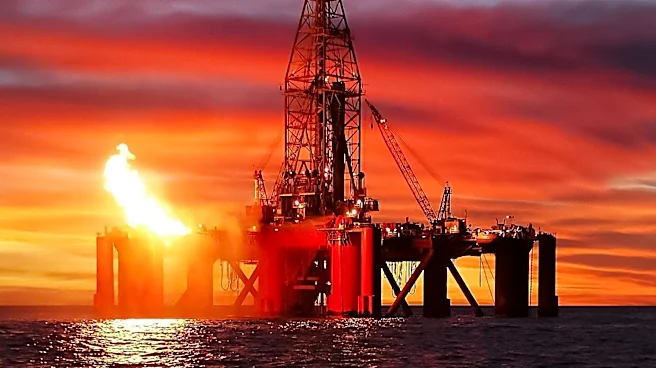
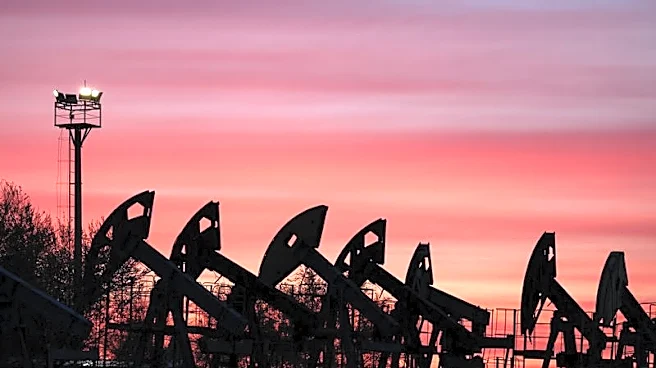
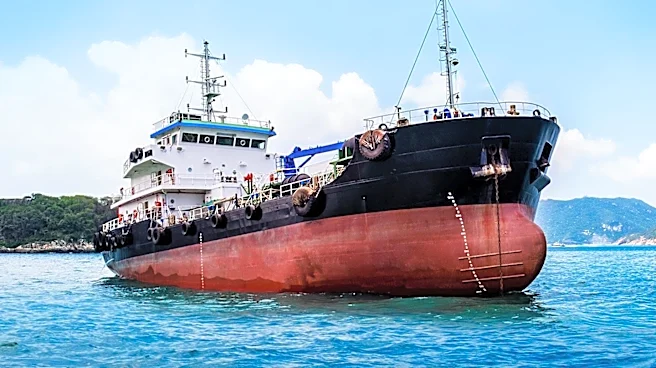
The strategic positioning of these islands allows Iran to exert significant control over the Strait of Hormuz, a vital corridor for global oil and natural gas shipments. This control poses a challenge to U.S. interests in the region, as any military action to seize these islands would require substantial resources and expose U.S. forces to Iranian weaponry. The islands' fortifications and proximity to the Iranian mainland complicate potential U.S. military strategies, highlighting the geopolitical tension in the region and the importance of maintaining open shipping lanes.
What's Next?
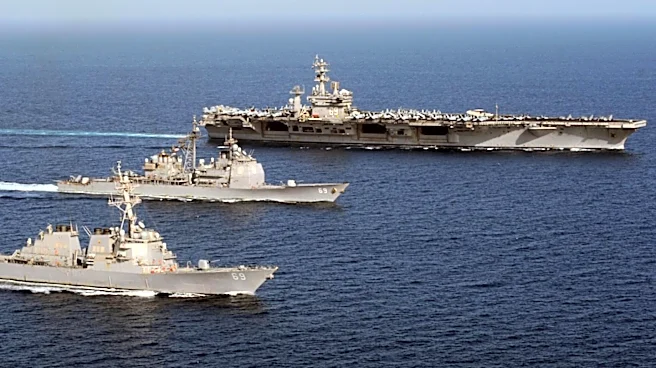
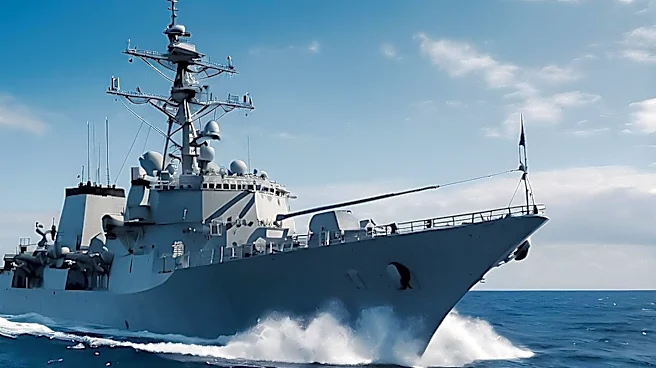
Future U.S. military strategies may need to consider the significant resources required to neutralize the threat posed by these islands. Diplomatic efforts could also be intensified to address the broader geopolitical tensions in the region. The U.S. may seek to strengthen alliances with regional partners to counterbalance Iran's influence and ensure the security of maritime routes through the Strait of Hormuz.