




What's Happening?
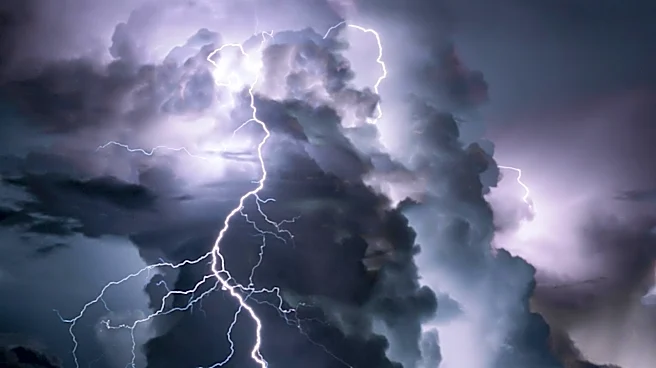
A 30-year-old American tourist died on Sunday after being struck by lightning on Mount Etna in Italy. The incident occurred while the man was hiking on the volcano during a powerful thunderstorm. Initial reports from Italy's national news agency ANSA
indicate that the tourist had entered an area designated as off-limits to hikers, reportedly in an attempt to get closer to the summit of the active volcano. Emergency services reached the man via helicopter and found him in cardiac arrest. He was transported to Cannizzaro Hospital in Catania, but doctors were unable to revive him. This fatality comes during a period of heightened volcanic activity for Mount Etna, which has recently experienced repeated lava flows and ash eruptions, leading to disruptions at Catania International Airport and increased restrictions on access to certain areas of the volcano.
Why It's Important?
This tragic event underscores the inherent dangers associated with visiting active natural sites, particularly when safety guidelines are disregarded. Mount Etna, a major tourist attraction drawing approximately 1.5 million visitors annually, presents unique hazards due to its volcanic activity and rapid weather changes. The incident highlights the critical importance of adhering to local authorities' warnings and restricted area designations, which are put in place to protect public safety. For the tourism industry, such incidents can prompt re-evaluations of safety protocols and visitor access, potentially impacting future tourism flows to hazardous natural attractions. It also serves as a stark reminder for travelers to be aware of and respect environmental risks, especially in dynamic and unpredictable environments like active volcanoes.
What's Next?
Authorities in Italy are expected to continue investigating the circumstances surrounding the American tourist's death, including how he accessed the restricted area. This investigation may lead to further reviews of safety measures and enforcement on Mount Etna, potentially resulting in stricter access controls or increased penalties for violating designated off-limits zones. For tourists planning to visit Mount Etna or similar active natural sites, there will likely be renewed emphasis on the importance of checking weather conditions, understanding volcanic activity levels, and strictly following all posted warnings and guidance from park rangers or local officials. The incident may also prompt travel advisories or increased awareness campaigns regarding the risks of hiking in hazardous environments.
Beyond the Headlines
The death on Mount Etna brings to light the broader ethical considerations surrounding adventure tourism and individual responsibility in high-risk environments. While the allure of experiencing powerful natural phenomena is strong, the incident raises questions about the balance between personal freedom to explore and the need for robust safety regulations. It also touches upon the psychological aspect of risk-taking, where the desire for unique experiences or photographic opportunities can sometimes override caution. This event could contribute to a wider discussion within the tourism industry about how to effectively communicate risks, manage visitor expectations, and implement preventative measures to avoid similar tragedies, especially as more people seek out extreme or off-the-beaten-path travel experiences.