



What's Happening?
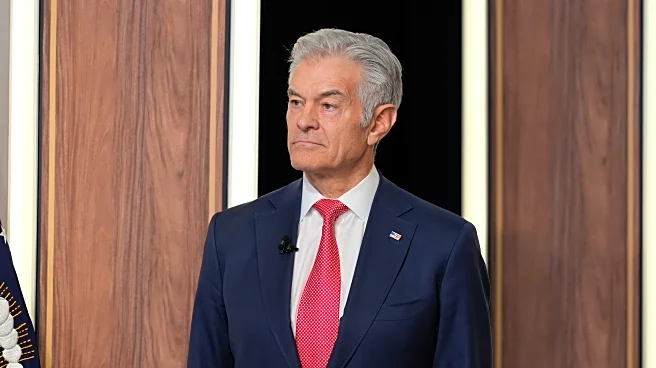
Iranian leaders are reportedly moving tens of millions of dollars out of the country as they face widespread protests and economic turmoil. U.S. Treasury Secretary Scott Bessent revealed that these financial transfers are part of a broader pattern of 'abandoning
ship' by the Iranian leadership. The protests in Iran have been driven by economic grievances, including the devaluation of the rial and rising inflation. The U.S. has been applying economic pressure on Iran, particularly targeting its oil exports, which has contributed to the country's financial instability. The protests have been met with a harsh crackdown by Iranian authorities, resulting in significant casualties.
Why It's Important?
The movement of funds by Iranian leaders indicates a lack of confidence in the regime's stability and could signal a potential collapse of the current government. This financial exodus could further destabilize Iran's economy, exacerbating the ongoing protests and potentially leading to more severe government responses. For the U.S., this development is a sign that its maximum pressure campaign is having a significant impact, but it also raises questions about the potential for unintended consequences, such as increased regional instability or humanitarian crises. The situation in Iran is a critical factor in U.S. foreign policy, particularly in relation to its Middle Eastern strategy.
What's Next?
The U.S. and its allies may continue to monitor financial transactions and apply further economic sanctions to pressure the Iranian regime. The international community will likely watch for signs of regime change or shifts in Iran's political landscape. The protests could lead to increased calls for reform within Iran, but the government's response will be crucial in determining the country's future trajectory. The U.S. may also need to prepare for potential refugee flows or other humanitarian issues arising from the situation.