






What's Happening?
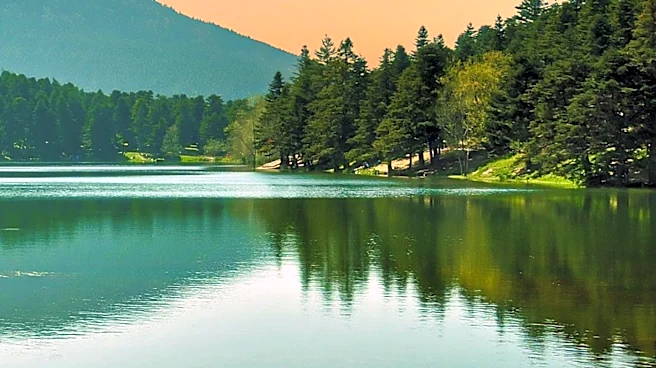
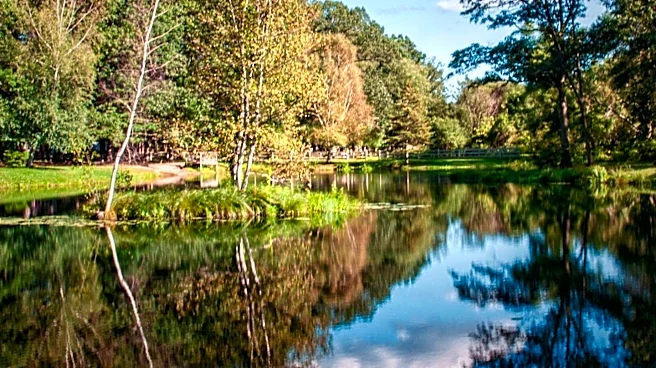
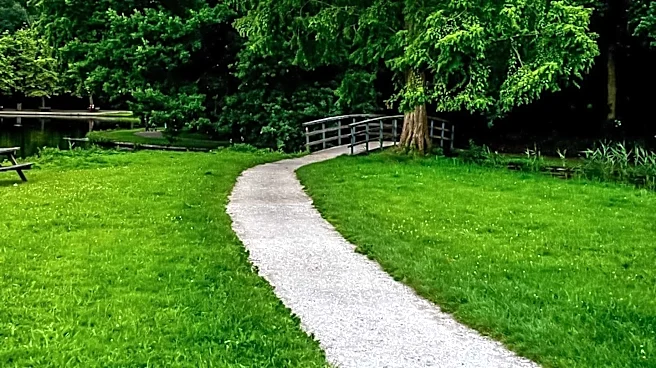
Antietam Lake Park, located in Berks County, Pennsylvania, is a year-round destination offering a variety of activities and historical exploration opportunities. The park spans 665 acres and includes a 16-acre reservoir formed by the Antietam Dam in the 19th
century. It is situated less than 10 minutes from downtown Reading, a city known for its art scene. The park features over 12 miles of multi-use trails that are popular for snowshoeing and cross-country skiing during the winter months. Visitors can also explore several historical landmarks within the park, such as the Bingaman House, which now serves as an environmental education center, and the valve house dating back to the 1880s. The park's natural beauty is enhanced by a massive reforestation effort that began in 1915, preserving the area's ecology and providing a vibrant display of fall foliage.
Why It's Important?
Antietam Lake Park serves as a significant recreational and educational resource for residents and visitors in Eastern Pennsylvania. By offering winter activities like snowshoeing and cross-country skiing, the park attracts outdoor enthusiasts and supports local tourism, contributing to the regional economy. The preservation of historical structures within the park provides educational opportunities and helps maintain the cultural heritage of the area. Additionally, the park's reforestation efforts highlight the importance of environmental conservation, promoting awareness and appreciation of natural ecosystems. This combination of recreational, educational, and conservation efforts makes Antietam Lake Park a valuable asset to the community and a model for integrating historical preservation with outdoor recreation.
What's Next?
As Antietam Lake Park continues to attract visitors, there may be opportunities for further development of its facilities and programs to enhance the visitor experience. Potential initiatives could include expanding educational programs at the Bingaman House and Angora Fruit Farm, improving trail maintenance for year-round use, and increasing accessibility to historical sites within the park. Local authorities and community organizations might collaborate to promote the park as a key destination for eco-tourism and historical exploration. Additionally, ongoing conservation efforts will be crucial to maintaining the park's natural beauty and ecological health, ensuring it remains a cherished resource for future generations.
Beyond the Headlines
The integration of historical preservation and outdoor recreation at Antietam Lake Park reflects broader trends in park management and community development. By preserving historical landmarks and promoting environmental conservation, the park serves as a case study in balancing cultural heritage with modern recreational needs. This approach not only enhances the visitor experience but also fosters a sense of community pride and stewardship. As more communities recognize the value of such integrated approaches, Antietam Lake Park could inspire similar initiatives across the country, contributing to a national dialogue on sustainable park management and cultural preservation.