

What's Happening?
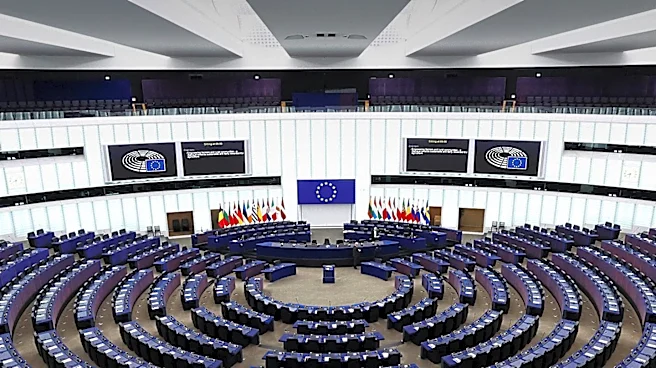
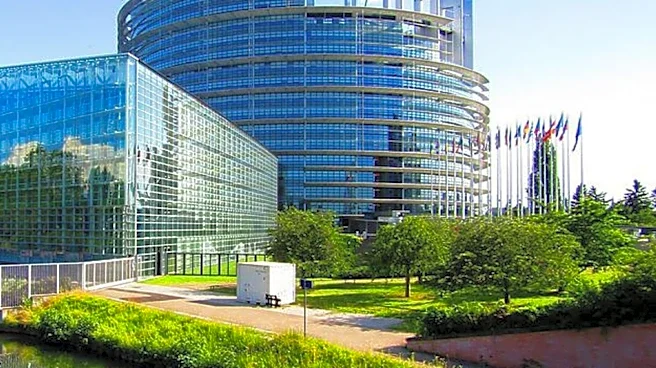
End FGM EU, alongside more than 100 other organizations, has issued an open letter to European Parliament President Roberta Metsola, expressing serious concerns over discriminatory statements made by several MEPs. These statements occurred during a parliamentary
debate on 'Islamist entryism' on October 7, 2026. The letter, dated November 10, denounces the discriminatory language used and the targeting of civil society organizations, including the Forum of European Muslim Youth and Student Organisations (FEMYSO) and the European Network Against Racism (ENAR). The organizations also reiterated their condemnation of a resolution adopted by the European Parliament on October 8, which they believe further stigmatizes Muslim communities and undermines the work of groups defending their rights.
Why It's Important?
This collective action by over 100 organizations highlights a growing concern about Islamophobia and discriminatory rhetoric within the European Parliament. Such statements and resolutions can contribute to a climate of fear and hostility towards entire communities, undermining fundamental rights and social cohesion in Europe. The targeting of civil society organizations, which play a crucial role in advocating for human rights and holding institutions accountable, is particularly alarming. This development suggests a potential shift towards more exclusionary political discourse, which could have far-reaching implications for minority groups and the democratic principles of the EU. It also raises questions about the protection of free speech versus the prevention of hate speech within legislative bodies.
What's Next?
The open letter calls on the European Parliament to address the discriminatory rhetoric within its institutions and to ensure that civil society organizations can participate freely in European democratic life. This implies a demand for internal mechanisms to counter hate speech and protect the rights of minority groups. The organizations involved will likely continue their advocacy efforts, monitoring parliamentary debates and resolutions for further instances of discriminatory language. This situation may also prompt a broader discussion within the EU about the role of legislative bodies in fostering inclusive dialogue and preventing the stigmatization of communities, potentially leading to new guidelines or policies regarding parliamentary conduct and the protection of civil society.
Beyond the Headlines
The issue of Islamophobic rhetoric in the European Parliament is part of a larger trend of rising xenophobia and anti-immigrant sentiment across Europe. The weaponization of issues like women's rights and migration to fuel racist and Islamophobic narratives, as highlighted by End FGM EU, reveals a cynical political strategy that exploits societal anxieties. This development can erode trust in democratic institutions and empower extremist ideologies. The long-term implications include the potential for increased social division, decreased civic participation from marginalized communities, and a weakening of the EU's commitment to human rights and diversity. Addressing this requires not only condemning discriminatory language but also tackling the underlying causes of prejudice and fostering a more inclusive political culture.