


What's Happening?
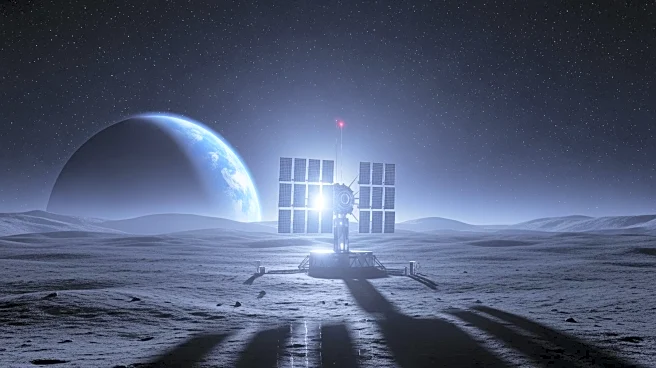
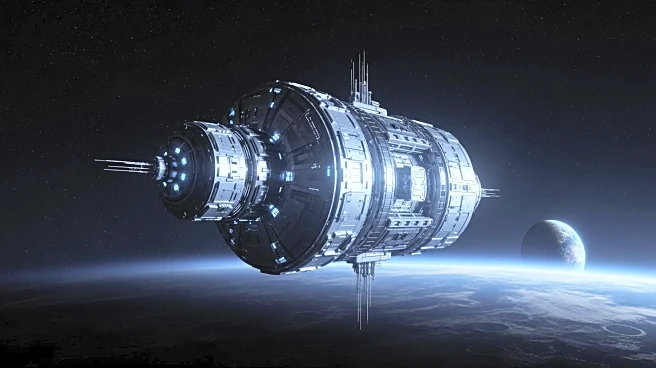
The Lunar Gateway, a planned space station to orbit the moon, is part of NASA's Artemis program aimed at returning humans to the moon and eventually reaching Mars. However, the project is facing delays, cost concerns, and potential U.S. funding cuts.
The president's proposed 2026 budget initially sought to cancel the Gateway, but pushback from the Senate has kept funding in place. The Gateway is a multinational endeavor involving NASA and international partners like the Canadian Space Agency, the European Space Agency (ESA), and others. It is designed to support lunar exploration and act as a staging point for missions. Despite its strategic importance, debates continue over its necessity and value within the Artemis program.
Why It's Important?
The Gateway project is crucial for maintaining U.S. influence in international space cooperation. Its cancellation could erode U.S. leadership in global partnerships that are essential for future deep space exploration. The project also represents a strategic counterweight to China's and Russia's lunar ambitions. The Gateway's multinational nature helps distribute financial costs and fosters international collaboration. However, its operational and financial feasibility is under scrutiny, with some arguing that lunar missions could proceed without it. The outcome of this debate will significantly impact the U.S.'s role in space exploration and its ability to lead international efforts.
What's Next?
If the Gateway project is canceled, a clear plan to repurpose its hardware for other missions is necessary to avoid discouraging future contributors to Artemis projects. The ESA has reaffirmed its commitment to the Gateway, even if the U.S. reconsiders its role. The decision on the Gateway's future will influence geopolitical dynamics in space exploration, as access to such an outpost is crucial for developing capabilities and influence. The U.S. must carefully weigh the Gateway's strategic value against its costs to ensure sustainable exploration beyond Earth's orbit.