





What's Happening?
A senior Iranian official has revealed that mediators have proposed a 10-day ceasefire to revive an interim deal between Iran and the US. This proposal comes amid ongoing military tensions, with recent US strikes on Iranian cities and retaliatory attacks
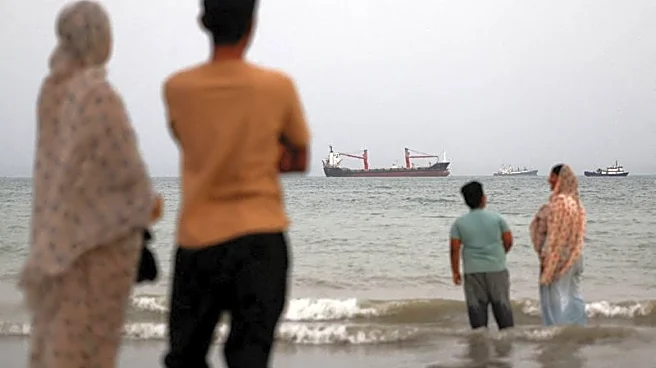
by Iran's Revolutionary Guards. The diplomatic efforts aim to pave the way for a lasting agreement to end the conflict that began earlier this year. Iran's foreign ministry confirmed the receipt of the proposal, indicating active diplomatic contacts. Meanwhile, Iran's interior minister has sought Pakistan's mediation in the conflict. The situation remains tense, with recent incidents involving oil tankers and military assets in the region.
Why It's Important?
The proposed truce is significant as it represents a potential de-escalation in the ongoing conflict between Iran and the US, which has seen military engagements and heightened tensions in the region. A successful ceasefire could lead to renewed diplomatic efforts and possibly a more stable geopolitical environment. The involvement of mediators and Pakistan's potential role as a mediator highlights the international community's interest in resolving the conflict. The outcome of these efforts could impact global oil markets, regional security, and international relations, particularly between the US and Middle Eastern countries.
What's Next?
If the truce is accepted, it could lead to further negotiations aimed at a more comprehensive agreement. The international community, including major powers and regional stakeholders, will likely monitor the situation closely. The US and Iran may face internal and external pressures to either support or reject the truce, depending on their strategic interests. The success of the ceasefire could influence future diplomatic engagements and set a precedent for conflict resolution in the region. However, the potential for renewed hostilities remains if the truce fails to address underlying issues.