







What's Happening?
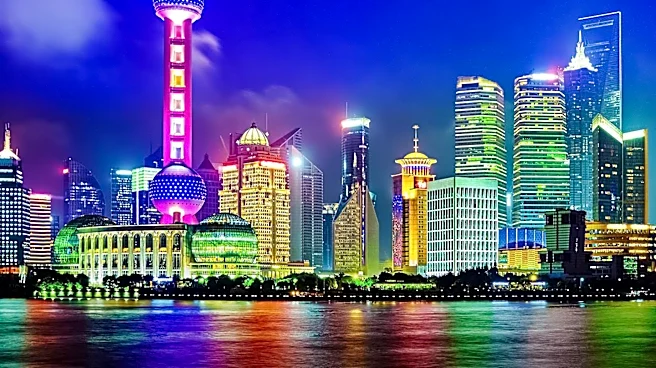
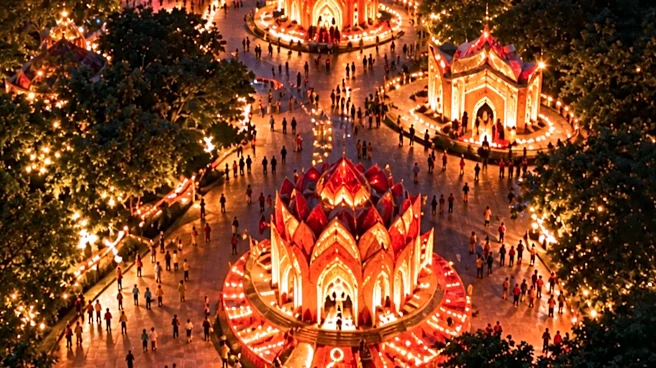
Cities are increasingly utilizing permanent programmable LED lighting systems to adapt civic buildings and public spaces for various cultural festivals, including Juneteenth, Lunar New Year, and St. Patrick's Day. This technology, exemplified by BlueHopper's
MeshTek-powered municipal lighting system, allows for customizable RGBW colors, saved scenes, independent zones, and automated scheduling. Municipalities can now prepare distinct lighting displays that reflect the traditions and preferences of participating communities without the need for repeated installation of temporary decorative lights. This approach enables cities to create respectful and meaningful visual backdrops that complement educational programs, performances, and community gatherings, ensuring that the lighting aligns with the specific symbolism intended by event organizers. The system remains available for everyday architectural lighting and other civic celebrations throughout the year, offering flexibility and efficiency.
Why It's Important?
The adoption of permanent programmable lighting systems by U.S. cities signifies a significant shift in how urban spaces are utilized for cultural recognition and community engagement. This technology allows for greater inclusivity and respect for diverse cultural traditions by enabling tailored lighting displays that accurately represent the symbolism and preferences of various communities. For instance, for Juneteenth celebrations, cities can collaborate with local organizers to select appropriate colors like red, black, and green (Pan-African symbolism) or red, white, and blue (Juneteenth flag), ensuring the display is culturally sensitive. This flexibility helps foster stronger community ties and promotes a sense of belonging among residents. Economically, it offers a cost-effective and sustainable solution compared to temporary lighting installations, reducing labor and material waste while providing a consistent aesthetic for civic pride and tourism. It also positions cities as forward-thinking entities that embrace technology to enhance public life and cultural expression.
What's Next?
Moving forward, more U.S. cities are likely to invest in and implement similar permanent programmable lighting solutions as they recognize the benefits of flexibility, cost-effectiveness, and enhanced community engagement. Municipalities will continue to refine their approval processes for cultural lighting requests, establishing clear criteria for submissions, suitable locations, and operating hours. There will be an ongoing emphasis on collaborating closely with cultural associations, neighborhood organizations, and event committees to ensure that lighting themes accurately reflect community preferences and traditions. Additionally, cities will likely develop year-round lighting programs that integrate various cultural festivals, allowing for a dynamic and inclusive civic landscape. The ability to save and recall lighting scenes will streamline annual event preparations, while continuous feedback from communities will drive improvements in future displays, ensuring the lighting remains relevant and respectful.
Beyond the Headlines
Beyond the immediate visual impact, the widespread adoption of programmable civic lighting carries deeper implications for urban identity and cultural diplomacy. It represents a tangible commitment by cities to acknowledge and celebrate the diverse heritage of their populations, moving beyond token gestures to integrate cultural recognition into the very fabric of public infrastructure. This can lead to a more inclusive public sphere where different communities feel seen and valued. Ethically, it underscores the importance of community consultation in public design, ensuring that technological advancements serve the authentic expressions of cultural groups rather than imposing a generic aesthetic. Legally, it may prompt discussions around public space usage, intellectual property of cultural symbols in public displays, and equitable access to such platforms for all community groups. Over the long term, this trend could redefine how cities use technology to foster social cohesion and cultural understanding, making urban environments more responsive and representative of their diverse inhabitants.