




What's Happening?
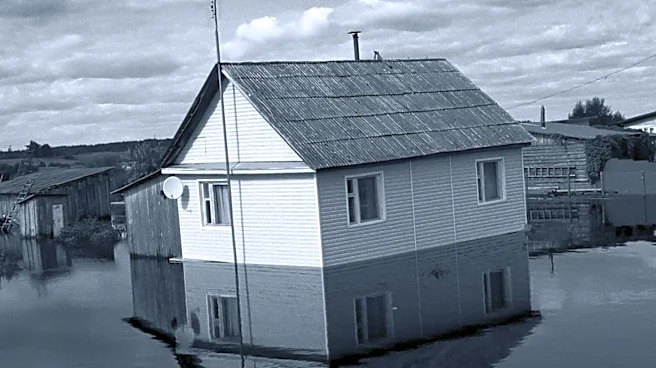
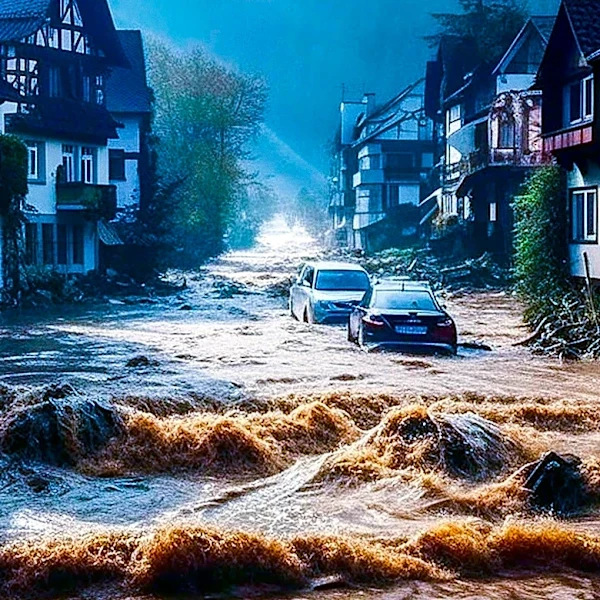
Property owners in Florida and Arizona are being advised to thoroughly document flood damage after heavy rains, as highlighted by recent flooding events in late October and early November. This documentation is crucial for understanding how runoff moved
through a site and for future assessments. Key recommendations include marking where water traveled, documenting water levels in relation to doors and equipment, and photographing drainage conditions. Property owners should also record which routes, such as entrances and parking areas, were closed due to flooding and when they reopened. Reconstructing the storm's events, including when and where water pooling was first observed, is also vital for identifying potential drainage issues.
Why It's Important?
Accurate and detailed documentation of flood damage is critical for several reasons. Firstly, it provides essential evidence for insurance claims and helps assessors investigate whether factors like blocked inlets or grading issues contributed to the flooding. This can significantly impact the compensation and support property owners receive for repairs. Secondly, this record-keeping is invaluable for guiding future reviews and implementing preventative measures. By understanding how water behaves on a property during heavy rainfall, owners can make informed decisions about drainage improvements, site modifications, and emergency preparedness. This proactive approach can reduce future flood risks and protect property investments, ultimately saving time and resources in the long run.
What's Next?
Property owners who have experienced flooding should immediately begin documenting all aspects of the damage once it is safe to do so. This includes taking photographs, marking water levels, and noting the paths water took. This information should be compiled into a comprehensive record, which can then be used for insurance claims and discussions with assessors. Moving forward, these records will serve as a guide for identifying and addressing persistent drainage problems. Property owners should consult with drainage experts or engineers to evaluate their site plans and implement necessary improvements to mitigate future flood risks, ensuring their properties are better prepared for subsequent heavy rain events.
Beyond the Headlines
Beyond immediate damage assessment, the practice of meticulous flood documentation fosters a deeper understanding of local hydrology and urban planning challenges. It highlights the interconnectedness of property-level drainage with broader municipal infrastructure. The data collected by individual property owners can collectively inform community-wide flood mitigation strategies, influencing zoning regulations, infrastructure development, and emergency response protocols. This emphasis on detailed record-keeping also underscores a shift towards more resilient community planning, where individual actions contribute to a collective defense against the increasing frequency and intensity of extreme weather events, driven by climate patterns. It encourages a proactive, data-driven approach to environmental challenges.