

What's Happening?
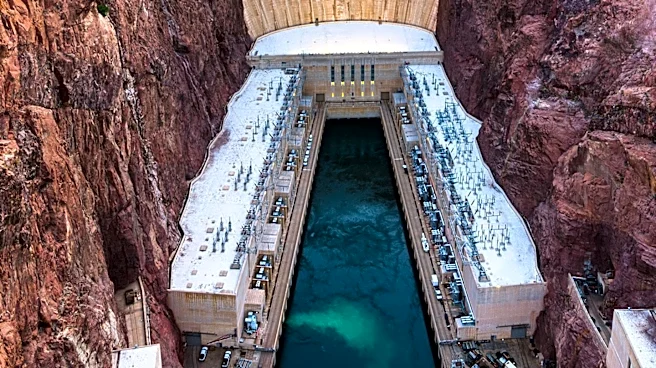
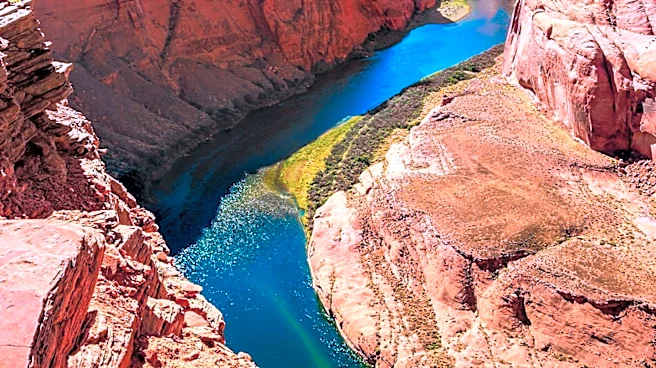
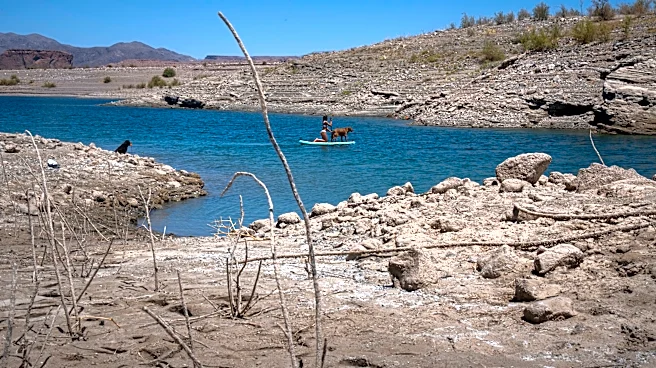
The federal government has proposed a 10-year framework to reallocate water from the Colorado River among western states. This plan comes in response to declining water levels in the river, which have been dropping for over 25 years. The reallocation
aims to address the needs of more than 40 million people across seven U.S. states, tribal communities, and Mexico. The plan suggests that Lower Basin states like California, Arizona, and Nevada will face reductions in water usage, while Upper Basin states will have more voluntary cutbacks.
Why It's Important?
The reallocation of Colorado River water is crucial due to the ongoing drought and increasing demand for water in the western United States. The plan's implementation could significantly impact agricultural production, urban water supply, and environmental conservation efforts in the affected states. The decision highlights the challenges of managing shared natural resources amid climate change and population growth. The outcome of this plan will influence water policy and interstate relations in the region.
What's Next?
The affected states are expected to negotiate the specifics of the water reallocation, balancing the needs of agriculture, urban areas, and environmental conservation. The federal government will likely monitor the implementation and adjust the plan as necessary to address unforeseen challenges. Stakeholders, including state governments, tribal communities, and environmental groups, will play a critical role in shaping the final outcomes.