





What's Happening?
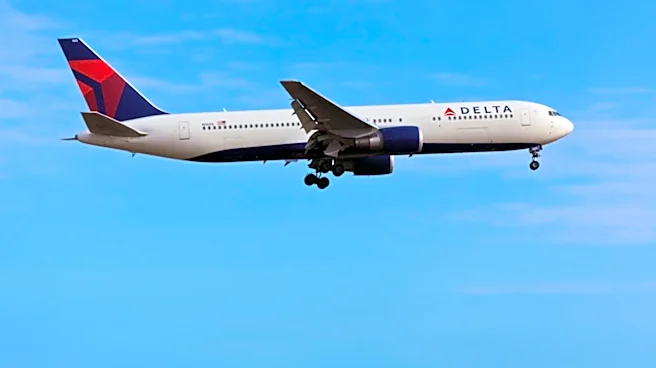
A Delta Air Lines flight from San Juan to Boston experienced a significant diversion to Bermuda due to a medical emergency, leading to passengers being stranded for approximately 30 hours. The initial diversion caused a cascade of complications, primarily
when the crew timed out, necessitating an overnight stay in Bermuda. Passengers reported delays in transferring to hotels, with some not arriving until early morning and then being bused back to the airport just a few hours later. A major issue arose because the San Juan-Boston route is domestic, meaning most passengers did not carry passports. Upon arrival in Boston after departing Bermuda, passengers faced prolonged delays on the aircraft as customs officials worked to process individuals who had unexpectedly entered international airspace without proper documentation. Passengers described the handling of the situation at Boston as poorly managed, with inadequate contingency planning for the customs process.
Why It's Important?
This incident highlights critical operational challenges and passenger experience issues within the airline industry, particularly concerning diversions of domestic flights into international territory. The crew timeout, a standard safety protocol, underscores the strict regulations governing flight crew duty limits, which are essential for aviation safety. However, the subsequent lack of efficient ground handling and passenger support in Bermuda, coupled with the unforeseen passport complications in Boston, exposed significant gaps in contingency planning. For airlines, this event emphasizes the need for robust protocols for international diversions, especially for domestic flights. It impacts passenger trust and satisfaction, potentially leading to reputational damage and increased customer service costs. For passengers, it illustrates the importance of carrying passports even on domestic flights, as unforeseen circumstances can quickly change travel requirements. The incident also brings to light the complexities of international customs processing for unexpected arrivals.
What's Next?
Following this incident, Delta Air Lines will likely conduct an internal review of its diversion protocols, particularly for domestic flights that unexpectedly enter international airspace. This review may focus on improving communication with passengers, streamlining ground logistics during diversions, and enhancing coordination with customs authorities. There could be a push for better pre-emptive measures, such as advising passengers on domestic routes that pass near international borders to carry passports. Regulatory bodies may also examine the incident to determine if any changes to existing procedures or regulations are warranted to prevent similar prolonged strandings. Passengers affected by the delay may seek compensation or lodge formal complaints, prompting Delta to address these concerns. The event serves as a case study for the aviation industry on the complex interplay of operational safety, passenger welfare, and international travel regulations.
Beyond the Headlines
The Delta flight diversion to Bermuda reveals deeper systemic issues within the interconnected world of air travel. Beyond the immediate inconvenience, it exposes the fragility of travel plans when unforeseen events disrupt standard procedures. Ethically, the incident raises questions about an airline's responsibility to its passengers during extraordinary circumstances, particularly regarding communication, accommodation, and timely resolution. The legal implications could involve passenger rights and potential claims for damages due to prolonged delays and inadequate services. Culturally, such events can fuel public frustration with air travel, contributing to a perception of airlines prioritizing operational efficiency over passenger comfort. The long-term shift might include a greater emphasis on proactive passenger education regarding travel documents, enhanced technological solutions for real-time communication during disruptions, and potentially revised international agreements to facilitate smoother processing of unexpected arrivals. This incident underscores the need for a more resilient and passenger-centric approach to managing flight disruptions.