







What's Happening?
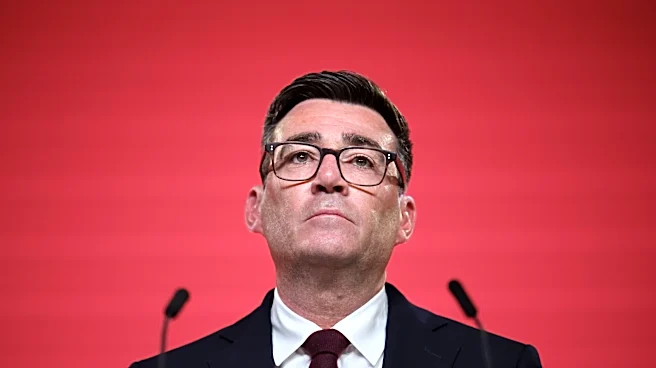
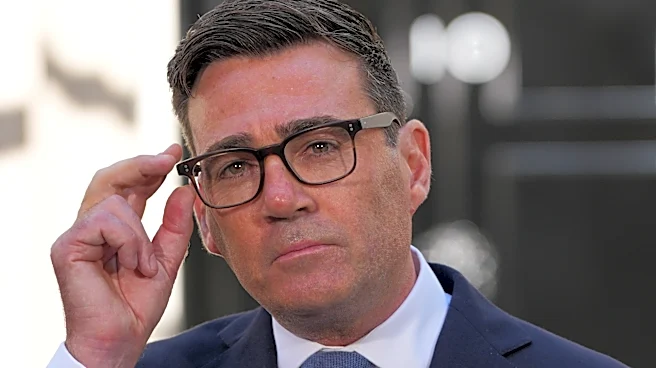
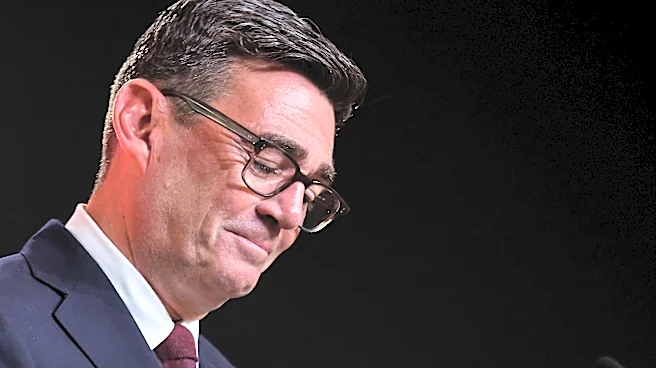
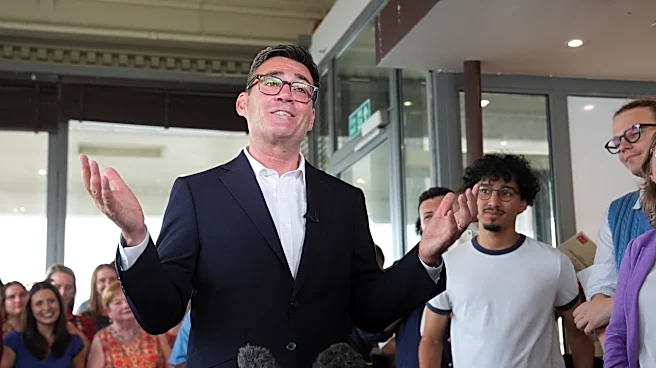
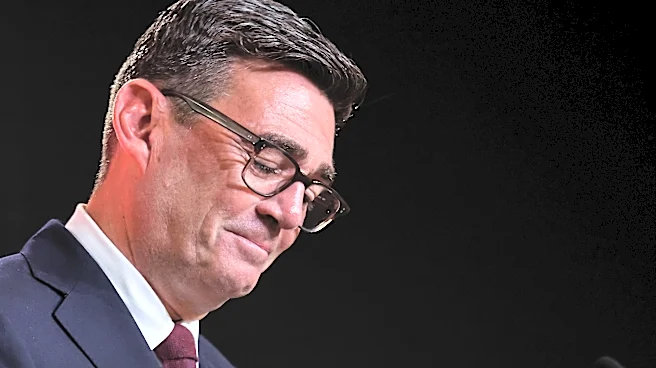
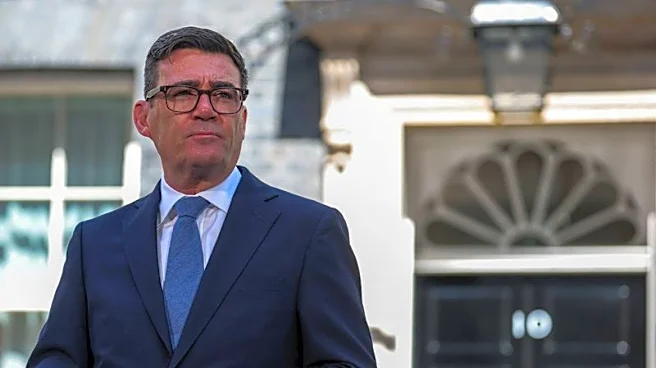
Andy Burnham has been appointed as the United Kingdom's new Prime Minister, marking the seventh leadership change in a decade. Burnham, who previously served as the mayor of Greater Manchester, succeeds Keir Starmer after the Labour Party's internal decision
to replace him. Burnham's leadership is expected to focus on devolving power from London to regional authorities, aiming to address the UK's political instability and economic challenges. His initial actions include reshuffling the Cabinet and emphasizing a commitment to regional empowerment and economic development.
Why It's Important?
Burnham's appointment comes at a critical time for the UK, which has experienced significant political instability and economic challenges. His focus on devolving power to regional authorities could lead to more localized governance and potentially address regional disparities. This approach may resonate with voters who feel disconnected from central government decisions. Additionally, Burnham's leadership could influence the Labour Party's strategy in countering the rise of populist movements, as he seeks to reconnect with disenchanted voters and stabilize the party's standing.
What's Next?
Burnham's leadership will be closely watched as he implements his agenda to decentralize power and address economic issues. His ability to navigate the political landscape and maintain party unity will be crucial in achieving his goals. The success of his policies could impact the Labour Party's future electoral prospects and shape the UK's political landscape. Internationally, Burnham's interactions with global leaders, including President Trump and President Zelenskyy, will be pivotal in establishing his foreign policy priorities and the UK's role on the world stage.