



What's Happening?
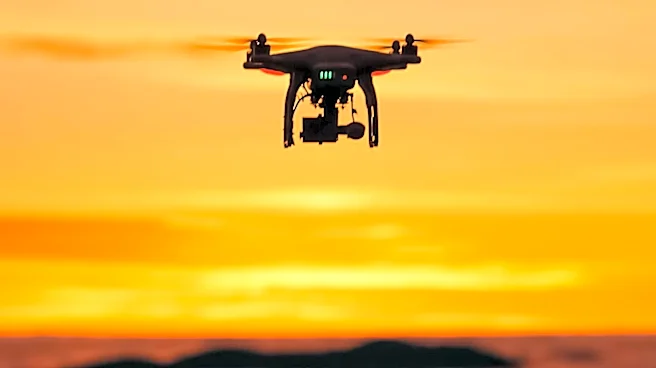
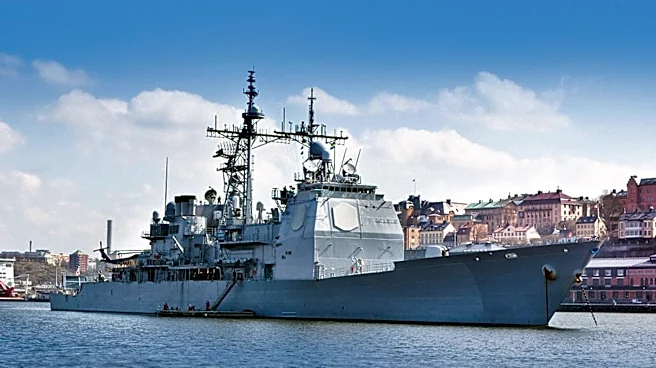
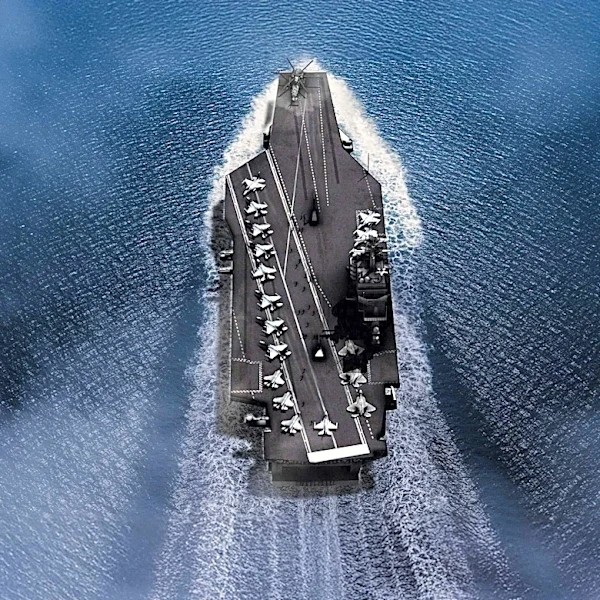
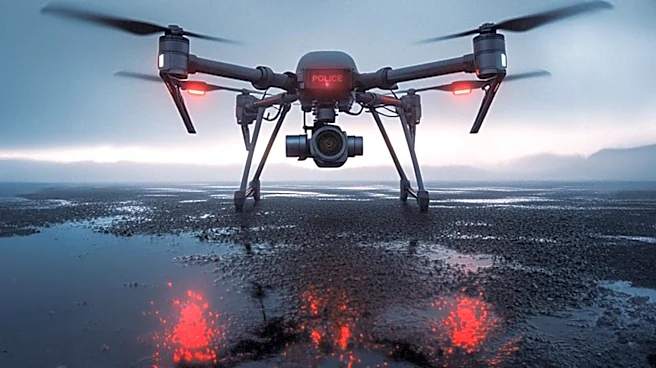
The U.S. Navy is significantly expanding its unmanned fleet capabilities, focusing on integrating advanced technologies and forming strategic partnerships. According to recent reports, the Navy is investing in a variety of unmanned systems, including
air, surface, and subsea vehicles, to enhance its reconnaissance and strike capabilities. Companies like Kraken Technology Group and Blue Water Autonomy are at the forefront, developing vessels such as the K5 KRAKEN and Liberty Class ships. These efforts are part of a broader strategy to modernize the Navy's fleet with high quantities of low-cost systems, complemented by fewer high-cost, sophisticated systems. The initiative is supported by substantial funding, with the Medium Unmanned Surface Vessels program alone receiving over $6 billion. This expansion is seen as a response to the evolving nature of global conflicts, where traditional platforms may no longer suffice.
Why It's Important?
The expansion of the U.S. Navy's unmanned fleet is crucial for maintaining military superiority in an era where technological advancements are rapidly changing the landscape of warfare. By investing in unmanned systems, the Navy aims to enhance its operational flexibility and reduce costs associated with manned missions. This shift not only strengthens national defense but also stimulates the U.S. economy by driving innovation and creating jobs in the tech and shipbuilding sectors. The move is also a strategic response to similar advancements by other global powers, ensuring that the U.S. remains competitive in the international arms race. Furthermore, the integration of AI and autonomy in naval operations could lead to significant changes in military tactics and strategies.
What's Next?
As the U.S. Navy continues to develop its unmanned capabilities, further collaborations with technology companies and shipyards are expected. The focus will likely be on scaling production and integrating new technologies to meet the demands of modern warfare. The Navy's budget forecasts suggest a long-term commitment to building a diverse fleet of unmanned vessels, with plans extending to 2056. This ongoing development will require continuous innovation and adaptation to emerging threats and technological advancements. Stakeholders, including defense contractors and policymakers, will need to navigate the challenges of integrating these systems into existing military frameworks while ensuring ethical and legal compliance.