
What's Happening?
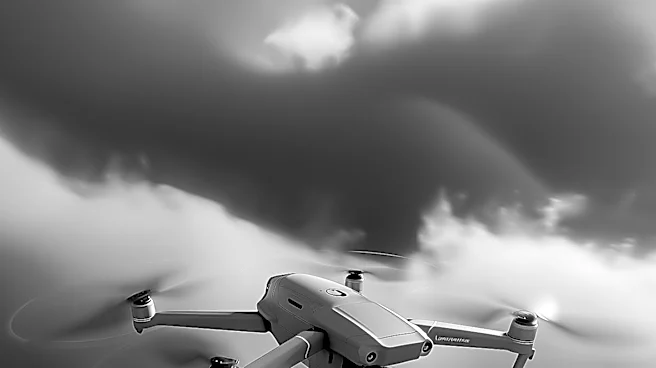
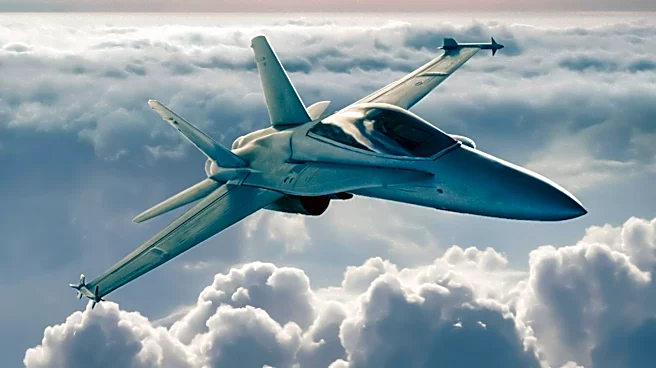
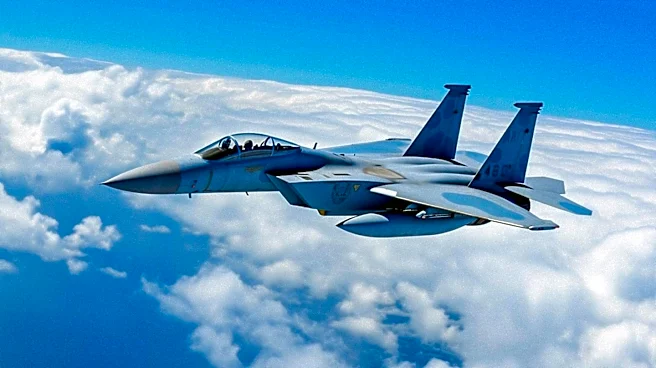
Romanian authorities have successfully intercepted a second drone over their airspace within a 24-hour period. The drone, identified as a Shahed-type used by Russian forces, was shot down by an F-16 fighter
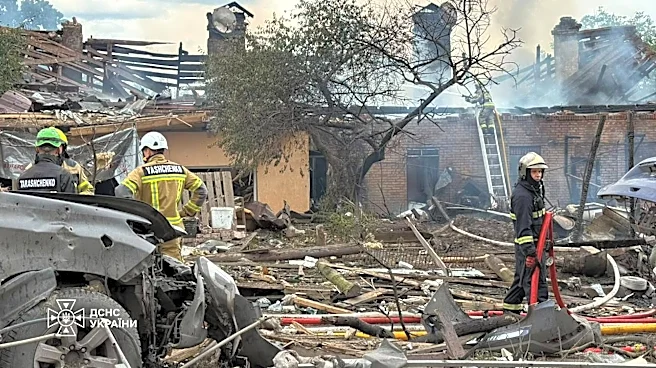
jet near the village of Sfântu Gheorghe. This incident follows another interception where a drone was neutralized by Romanian forces using an air-to-air missile. The Romanian Defense Ministry has confirmed that radar systems detected the drone near the Ukrainian border before it was safely brought down in an unpopulated area. The Romanian Prosecutor General's Office is currently investigating the incident, analyzing the drone wreckage to confirm its origin. The European Commission President, Ursula von der Leyen, has commended Romania's swift response, emphasizing the importance of strengthening defense along the Eastern border.
Why It's Important?
The interception of Russian drones by Romania underscores the heightened security concerns in Eastern Europe amid ongoing tensions with Russia. These incidents highlight the strategic importance of airspace security and the potential threats posed by unmanned aerial vehicles in the region. The successful neutralization of these drones demonstrates Romania's military readiness and the effectiveness of its defense systems. This development is significant for NATO allies, as it reinforces the need for collective defense measures and increased vigilance against potential incursions. The situation also reflects the broader geopolitical dynamics in Eastern Europe, where countries are on high alert due to the conflict in Ukraine and its implications for regional stability.
What's Next?
Romania is likely to continue enhancing its air defense capabilities and collaborating with NATO allies to address the threat of drone incursions. The ongoing investigation into the intercepted drones may provide further insights into their origin and purpose, potentially influencing future defense strategies. Additionally, the European Union and NATO may consider bolstering support for Eastern European countries to deter similar threats. The situation could prompt discussions on the need for advanced surveillance and interception technologies to protect national airspace. As tensions persist, regional security dynamics will remain a focal point for policymakers and defense officials.