

What's Happening?
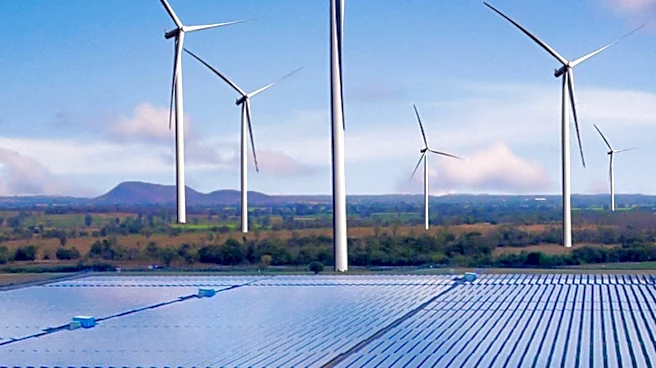
Illinois' initiative to convert old coal plant sites into solar and battery farms has faced significant challenges. The Coal to Solar and Energy Storage Initiative, launched five years ago, aimed to leverage existing grid infrastructure and land from
closed coal plants to promote clean energy. However, a report by the University of Illinois’ Climate Jobs Institute and the Prairie Rivers Network reveals that the program has not met its goals. Only three small solar farms with storage were developed, and no stand-alone storage projects were completed. The initiative's failure is attributed to the fixed price of renewable energy credits at $30 each, which became insufficient due to inflation, supply chain issues, and rising costs. Companies like NRG Energy and Vistra, which were eligible for the program, found the financial incentives inadequate, leading to project cancellations.
Why It's Important?
The challenges faced by Illinois highlight the complexities of transitioning from fossil fuels to renewable energy. The fixed pricing of renewable energy credits did not account for market fluctuations, making it difficult for developers to justify investments. This situation underscores the need for flexible incentive structures that can adapt to changing economic conditions. The failure of this initiative could slow down Illinois' progress towards its clean energy goals, impacting the state's ability to meet its target of 100% clean energy by 2030. Moreover, the lack of successful projects may deter future investments in similar initiatives, affecting local economies and job creation in communities previously reliant on coal plants.
What's Next?
The report suggests that future coal-to-solar initiatives should incorporate flexible pricing for renewable energy credits to better align with market conditions. This approach could make such projects more attractive to developers and ensure their viability. Illinois may need to revise its incentive structures to encourage more participation and investment in clean energy projects. Additionally, the state could explore other programs aimed at brownfield redevelopment and community solar projects to support its clean energy transition. Stakeholders, including policymakers and energy companies, will need to collaborate to address these challenges and find sustainable solutions.