









What's Happening?
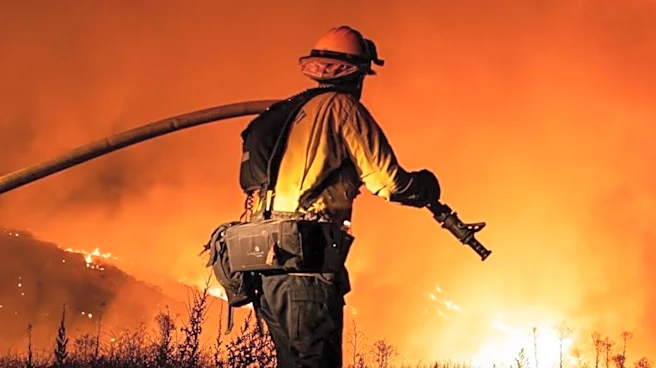
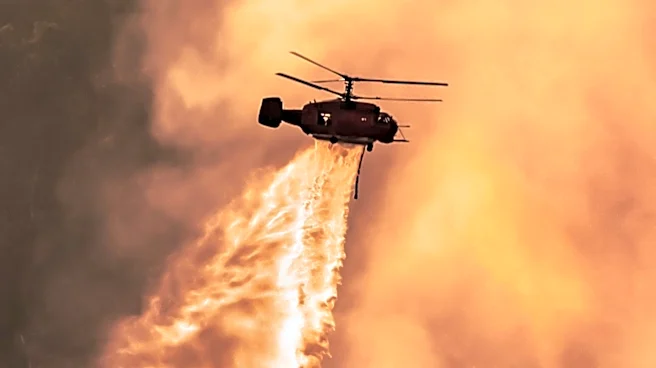
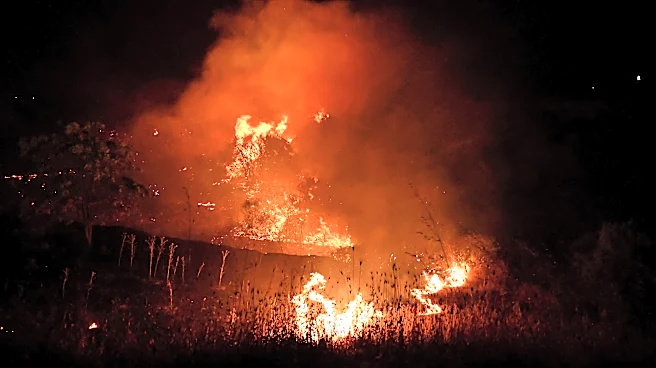
Wildfires are currently raging across Portugal, Greece, and Spain, prompting significant international firefighting efforts. In Portugal's Vouzela area, over 1,200 firefighters, supported by nearly 400 vehicles and 15 aircraft, have been battling a massive
blaze that has consumed 12,000 hectares since Thursday. Spain and Italy have sent reinforcements, including 120 firefighters, 45 vehicles, and three aircraft, to assist in Portugal. Meanwhile, in Greece, authorities have warned residents in parts of Thessaloniki to stay indoors due to toxic smoke from a burning recycling plant. Another major wildfire has erupted west of Athens, with 155 firefighters and multiple aircraft deployed to combat the flames.
Why It's Important?
The wildfires highlight the increasing frequency and intensity of such events in Southern Europe, exacerbated by climate change. These fires pose significant threats to human life, property, and the environment. The international response underscores the need for cross-border cooperation in disaster management. The situation also raises concerns about the preparedness and resilience of affected regions to handle such natural disasters, which are expected to become more common. The economic impact is substantial, affecting tourism, agriculture, and local economies in the affected areas.
What's Next?
Efforts to contain the fires are ongoing, with international support playing a crucial role. Authorities in the affected countries are likely to review and strengthen their fire prevention and response strategies. The situation may prompt discussions on climate change policies and the need for sustainable land management practices. In Greece, the integration of satellite technology to monitor wildfires could serve as a model for other countries. The immediate focus remains on extinguishing the fires and ensuring the safety of residents.
Beyond the Headlines
The wildfires bring attention to the broader issue of climate change and its impact on natural disasters. They highlight the ethical responsibility of nations to address environmental challenges collectively. The events may influence public opinion and policy-making regarding climate action and disaster preparedness. Long-term, these incidents could lead to shifts in land use policies and increased investment in firefighting resources and technology.