

What's Happening?
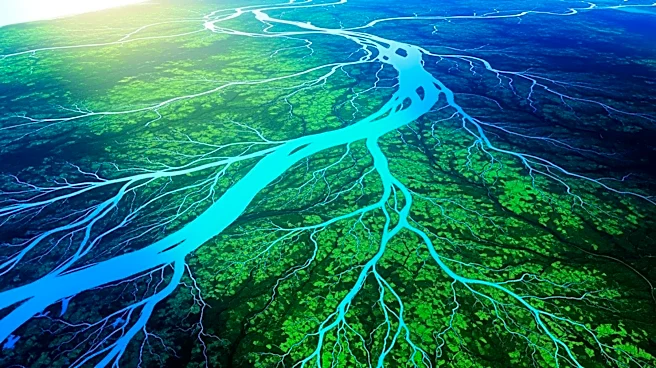
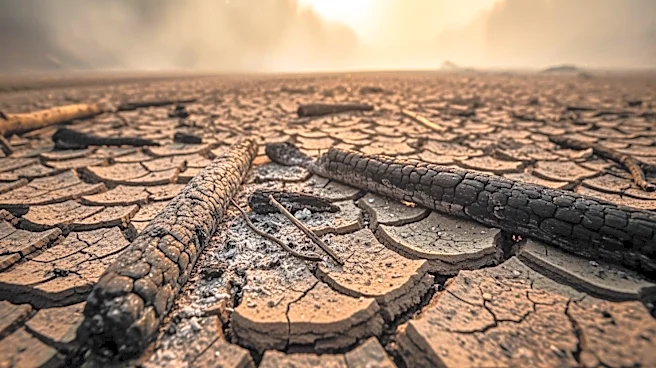
Wildfires are increasingly impacting water quality in the United States, with NASA warning that climate change is amplifying fire activity globally. These fires degrade water quality in forested watersheds, which supply water to nearly two-thirds of U.S.
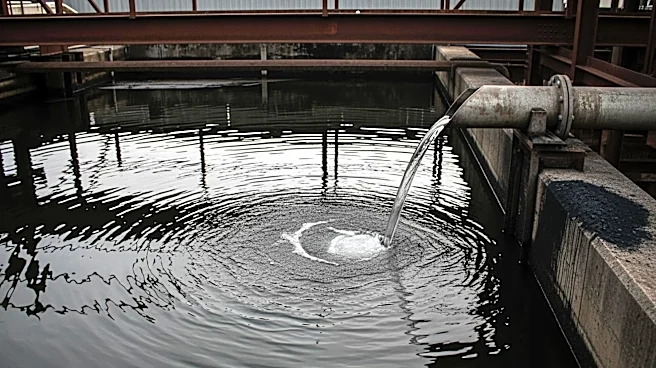
municipalities. The immediate aftermath of a wildfire can lead to water contamination with suspended solids, nutrients, organic carbon, and heavy metals, sometimes exceeding U.S. EPA safe standards by significant margins. Additionally, infrastructure damage from fires, particularly to PVC water pipes, can release volatile organic compounds into the water supply, posing long-term contamination risks.
Why It's Important?
The degradation of water quality due to wildfires has serious implications for public health and safety. Municipal water treatment facilities are often ill-equipped to handle the extreme levels of contamination caused by wildfires, and standard in-home water filters are insufficient. This situation necessitates urgent advisories and interventions to ensure safe drinking water for affected communities. Furthermore, the increasing frequency and intensity of wildfires underscore the need for improved land management practices and climate change mitigation efforts to protect water resources and infrastructure.
Beyond the Headlines
Addressing the root causes of increased wildfire activity is crucial for long-term water safety. This includes reducing the use of plastic in water infrastructure in favor of fire-resistant materials and implementing controlled burns to manage forest ecosystems. As climate change continues to extend wildfire seasons and reduce summer rainfall, proactive measures are essential to mitigate the impacts on water quality and availability. The broader challenge lies in balancing immediate responses with sustainable strategies to adapt to a changing climate.