






What's Happening?
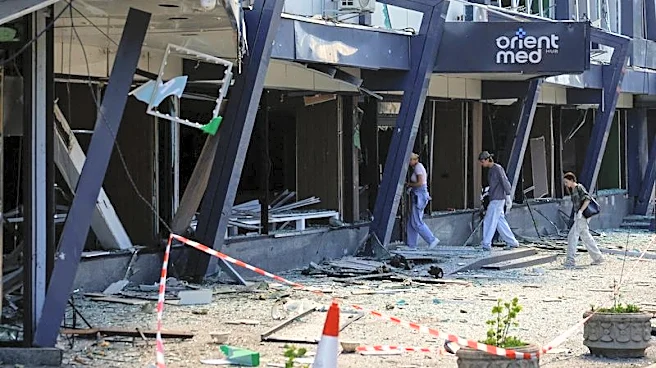
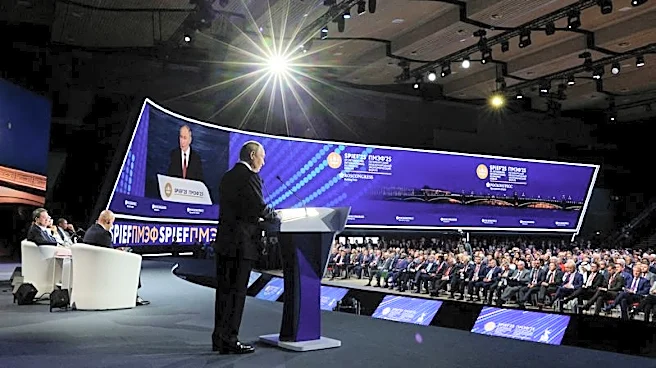
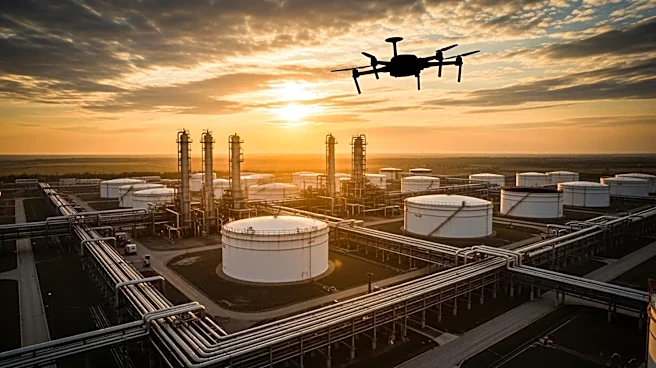
Ukrainian long-range drones have struck an oil terminal in St. Petersburg, Russia, causing significant damage and fires. This attack comes as the city hosts the St. Petersburg International Economic Forum, a key event for Russian President Vladimir Putin.
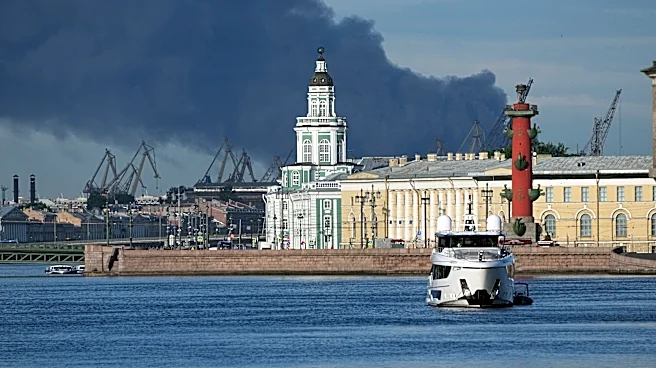
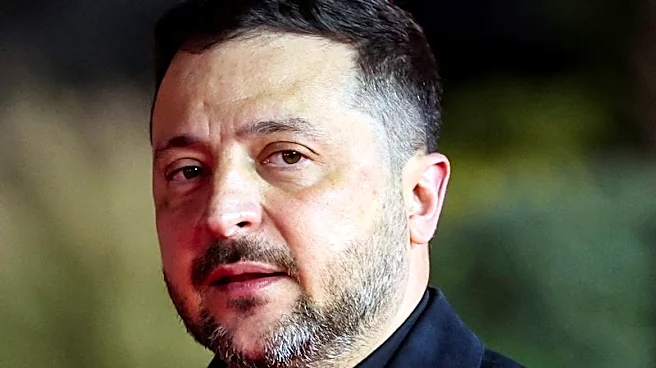
Ukrainian President Volodymyr Zelenskyy confirmed the strikes, highlighting their impact on Russia's oil refining capacity. The drones traveled over 1,000 kilometers to reach their target, resulting in clouds of black smoke over the city's port. In response, Russian authorities temporarily suspended flights at St. Petersburg's Pulkovo Airport and cut off mobile internet services. The attack is part of a broader strategy by Ukraine to disrupt Russian oil production and weapon manufacturing, as the conflict between the two nations continues into its fifth year.
Why It's Important?
The drone attack on St. Petersburg's oil terminal is significant as it coincides with the St. Petersburg International Economic Forum, an event aimed at attracting foreign investment to Russia. The strikes are an embarrassment for President Putin, especially following the scaling back of the Victory Day parade in Moscow due to similar threats. The attack underscores Ukraine's strategic focus on targeting Russian economic and military infrastructure to weaken its adversary's financial and operational capabilities. This development also highlights the ongoing challenges in securing air defense systems, as Ukraine seeks more support to counter Russian missile threats. The incident may further strain Russia's international relations and impact its economic engagements, particularly with Western investors who have largely avoided the forum since the invasion of Ukraine.
What's Next?
The immediate aftermath of the attack may see increased security measures at the economic forum and heightened military readiness in St. Petersburg. President Putin is scheduled to speak at the forum, and the event's success could be impacted by the recent security concerns. Ukraine's continued focus on long-range strikes suggests a persistent effort to disrupt Russian operations, potentially leading to further escalations in the conflict. The international community, particularly NATO, may respond with increased support for Ukraine's air defense needs, as indicated by recent discussions involving NATO Secretary General Mark Rutte in Kyiv. The situation remains fluid, with potential for further military and diplomatic developments.
Beyond the Headlines
The attack on St. Petersburg's oil terminal may have broader implications for global energy markets, as disruptions in Russian oil production could affect supply chains and prices. Additionally, the incident highlights the evolving nature of warfare, where drone technology plays a critical role in modern conflicts. The ethical and legal dimensions of such attacks, particularly in terms of targeting civilian infrastructure, may prompt discussions on international law and warfare conduct. The ongoing conflict continues to reshape geopolitical alliances and economic strategies, with long-term impacts on regional stability and global security dynamics.