




What's Happening?
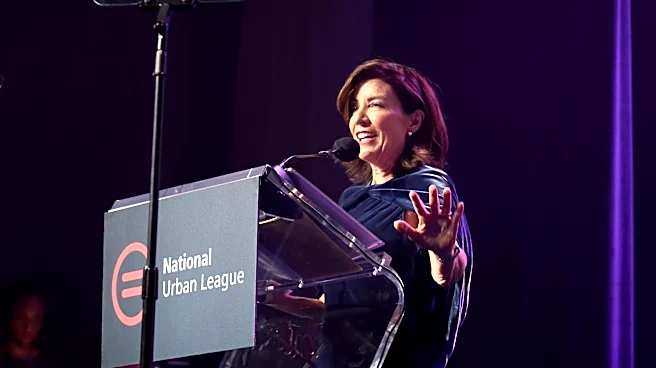
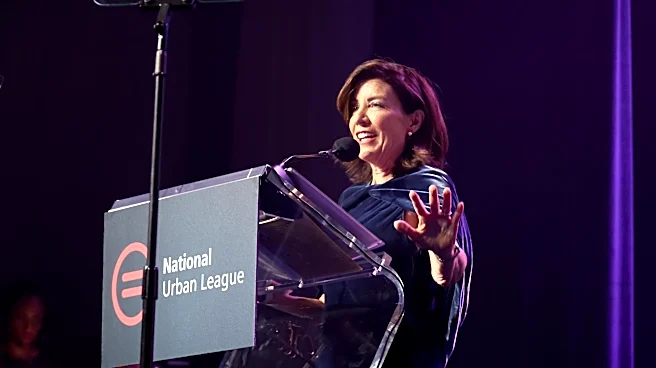
New York Governor Kathy Hochul announced the opening of the Urban Civil Rights Museum in Harlem, New York. This institution is designated as New York State’s first civil rights museum and the nation’s first dedicated to the Northern Civil Rights Movement.
The museum is located at 117 West 125th Street, serving as the final component of the National Urban League’s Urban League Empowerment Center, which also houses the League’s national headquarters. The museum aims to broaden the narrative of civil rights in America, which has historically focused predominantly on the South. National Urban League President and CEO Marc H. Morial emphasized that the fight for fair housing, good jobs, quality schools, and equal justice was fiercely waged in Northern cities, with Harlem being a central hub. The museum explores over four centuries of history through eight permanent galleries, tracing the experiences of Black communities in Northern cities from the Great Migration and the Harlem Renaissance to contemporary efforts for justice and equality. Its inaugural rotating exhibition is 'Thriving! Harlem as Homeplace.'
Why It's Important?
The opening of the Urban Civil Rights Museum is significant as it addresses a historical gap in the national understanding of the Civil Rights Movement. By focusing on the Northern experience, the museum provides a more comprehensive and nuanced perspective on the struggle for racial equality in the United States. This initiative helps to educate the public about the unique challenges and forms of discrimination faced by Black communities in Northern cities, which often differed from those in the South but were equally impactful. The museum's location in Harlem, a historically significant center of Black culture and activism, further amplifies its importance, connecting visitors directly to the historical context. This institution will serve as a vital educational resource, fostering a deeper understanding of American history and encouraging ongoing dialogue about civil rights, social justice, and equality. It also aims to inspire future generations by showcasing the legacy of activism in the North.
What's Next?
The Urban Civil Rights Museum is expected to become a key cultural and educational destination in New York City, attracting visitors from across the nation and beyond. Its opening will likely spur increased academic research and public discourse on the Northern Civil Rights Movement, potentially leading to a re-evaluation of historical narratives in educational curricula. The museum's educational programs and community engagement initiatives will play a crucial role in fostering dialogue and understanding among diverse audiences. Local businesses on 125th Street are also anticipated to benefit from increased foot traffic generated by museum visitors. Future plans may include collaborations with other civil rights institutions, traveling exhibitions, and digital initiatives to expand its reach. The museum's success could also inspire the creation of similar institutions dedicated to underrepresented aspects of American history.
Beyond the Headlines
The establishment of the Urban Civil Rights Museum carries profound ethical and cultural implications. Ethically, it represents a commitment to historical accuracy and inclusivity, ensuring that the full scope of the civil rights struggle is acknowledged and preserved. It challenges the dominant narrative, prompting a re-examination of how history is taught and understood, and encouraging a more critical perspective on systemic inequalities that persisted outside the Jim Crow South. Culturally, the museum reinforces Harlem's enduring legacy as a center of Black intellectual thought, artistic expression, and social activism. It serves as a powerful symbol of resilience and progress, offering a space for reflection, remembrance, and inspiration. The museum's focus on the ongoing fight for justice and equality also highlights the contemporary relevance of civil rights issues, encouraging visitors to connect historical struggles with present-day challenges and to consider their role in advancing social change.