





What's Happening?
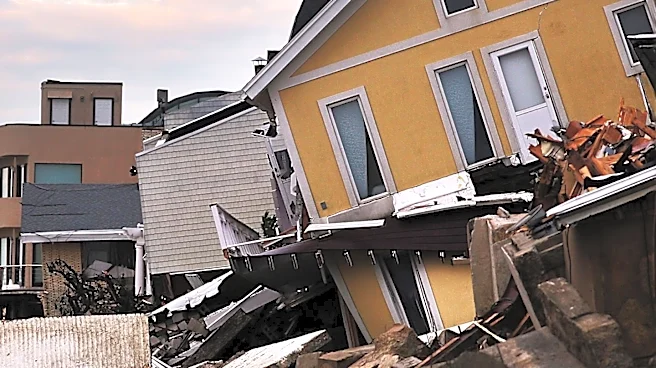
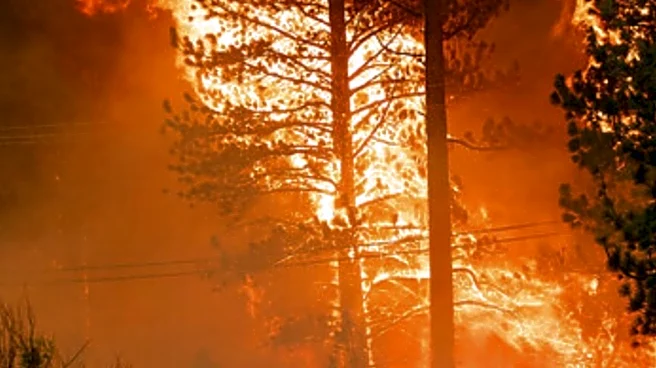
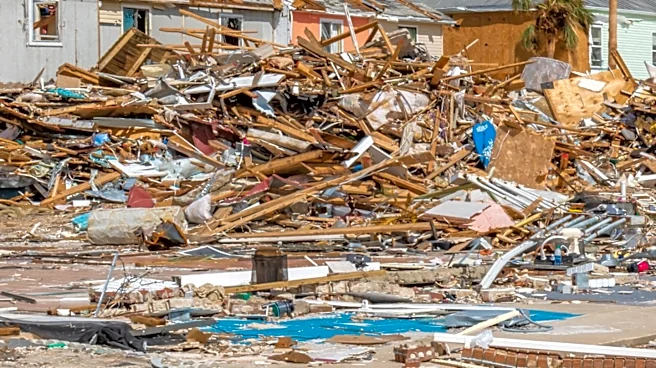
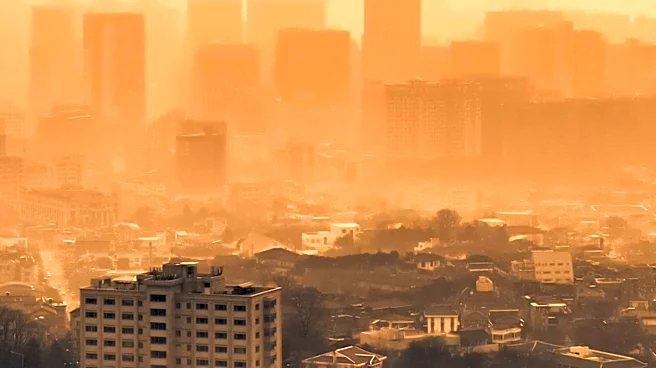
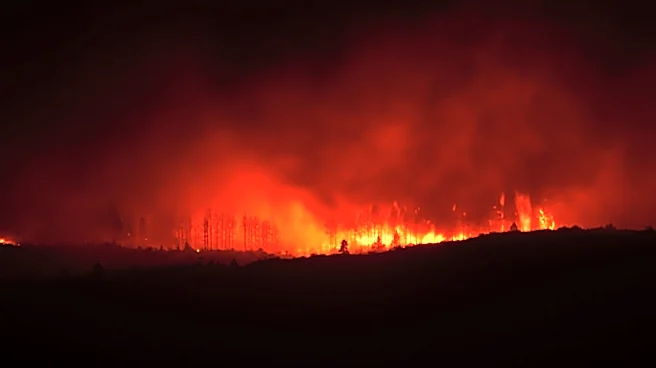
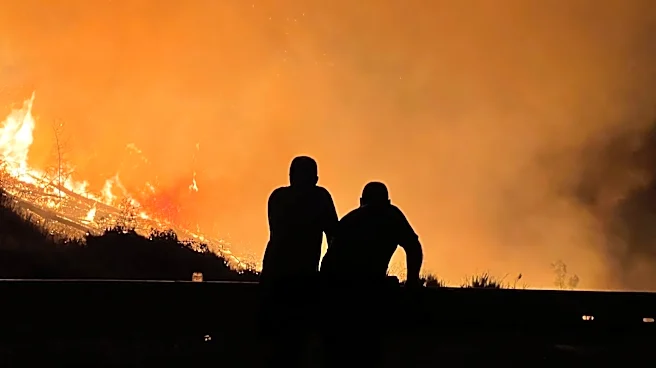
Wildfires in Spokane, Washington, have destroyed over 700 buildings and forced the evacuation of 64,000 residents. The fires, which began on Saturday, have burned more than 8,000 acres. The blazes are part of a larger pattern of increased wildfire activity
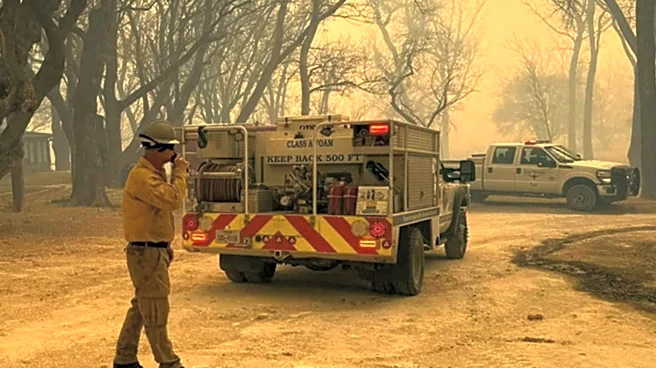
in the Pacific Northwest, exacerbated by prolonged drought and extreme heat linked to climate change. Firefighters are struggling to contain the fires, with resources stretched thin across the region. The cause of the fires is under investigation, and no injuries or fatalities have been reported yet.
Why It's Important?
The Spokane wildfires highlight the growing threat of wildfires in the U.S., particularly in the Pacific Northwest. The destruction of homes and displacement of thousands of residents underscore the urgent need for effective wildfire management and climate change mitigation strategies. The fires also strain local and national firefighting resources, impacting the ability to respond to other emergencies. The situation raises concerns about the long-term sustainability of communities in fire-prone areas and the need for improved infrastructure and emergency preparedness.
What's Next?
Firefighters will continue efforts to contain the Spokane fires, with hopes of making progress during a brief period of cooler weather. However, high temperatures and winds are expected to return, potentially exacerbating the situation. Authorities will assess the damage and begin recovery efforts once the fires are under control. The incident may prompt discussions on policy changes related to land management, climate adaptation, and emergency response. Residents and local governments will need to consider long-term strategies to reduce wildfire risks and enhance community resilience.