




What's Happening?
Eco-friendly rentals are experiencing a significant rise in popularity across the U.S., driven by increasing tenant demand for homes that are energy-efficient and environmentally conscious. Landlords and property owners are responding to this trend by incorporating
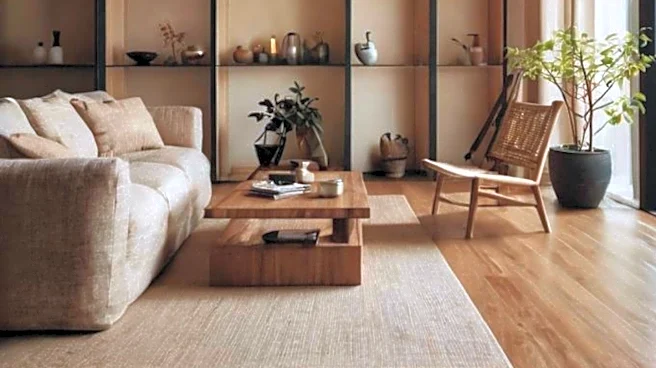
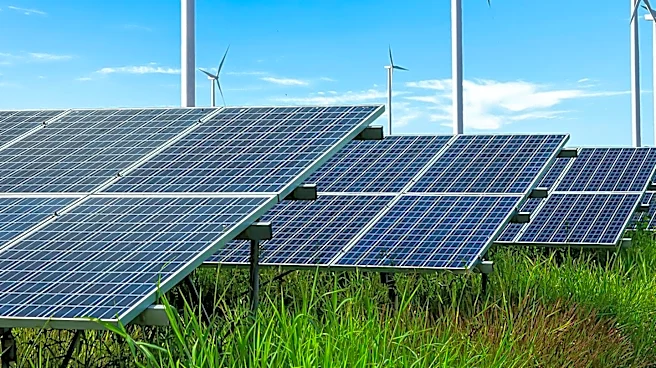
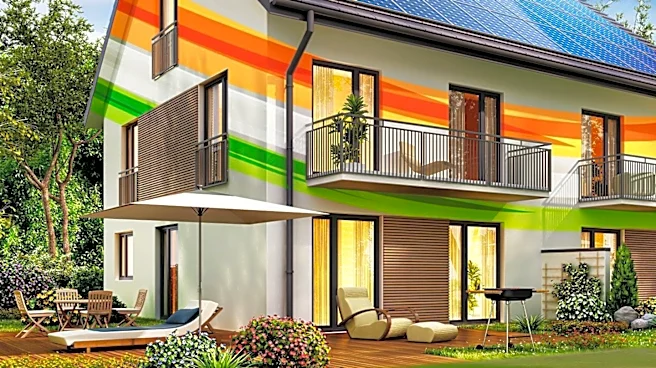
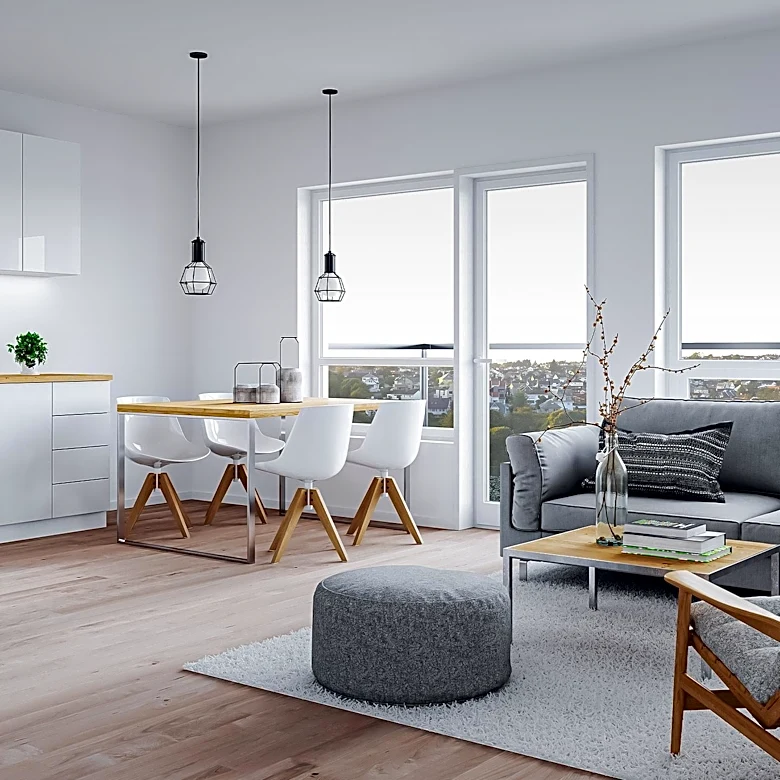
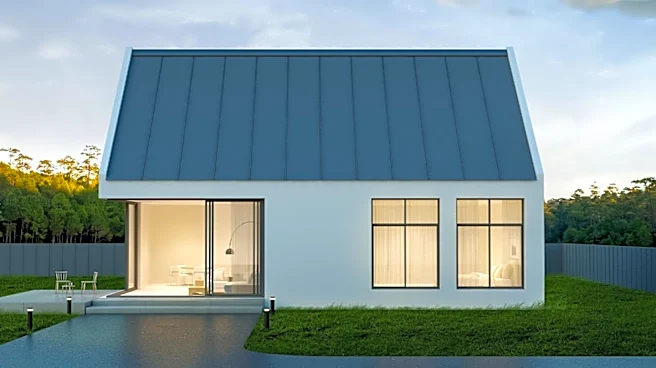
features such as non-toxic paints, good ventilation, and smart building choices that reduce mold and allergens, leading to healthier living spaces. These rentals often include energy-saving features like smart thermostats, LED lights, energy-efficient appliances, and good insulation, with solar panels becoming increasingly common. The use of sustainable materials like bamboo floors and recycled wood, along with smart design elements that maximize natural light, are also key characteristics of these properties. This shift reflects a growing awareness among renters about the environmental impact of their homes and a desire for improved well-being.
Why It's Important?
The surge in eco-friendly rentals holds significant importance for both the housing market and public health. For tenants, these properties offer tangible benefits, including lower utility bills due to reduced energy consumption, which can lead to substantial cost savings over time. More importantly, the emphasis on non-toxic materials and improved air quality contributes to healthier living environments, potentially reducing respiratory issues and allergies. This trend is influencing the construction and real estate industries, pushing developers and landlords to adopt sustainable building practices and invest in green technologies. It also signals a broader market shift where environmental performance and occupant well-being are becoming key differentiators and value propositions in rental properties. As demand grows, it could accelerate the adoption of green building standards and technologies across the residential sector, contributing to national sustainability goals and a healthier population.
What's Next?
The demand for eco-friendly rentals is expected to continue its upward trajectory, leading to further integration of sustainable features in new constructions and renovations. We can anticipate more landlords and developers investing in certifications for green buildings, which will further legitimize and standardize eco-friendly rental offerings. As technology advances, more sophisticated energy management systems, renewable energy sources, and innovative sustainable materials will likely become standard in these properties. The market may also see the emergence of specialized financing options or incentives for both landlords and tenants to encourage the development and occupancy of green rentals. This trend is likely to influence urban planning, with a greater focus on creating green spaces and community gardens within rental developments. Ultimately, eco-friendly rentals are poised to become a mainstream segment of the housing market, driven by both environmental consciousness and economic advantages.
Beyond the Headlines
Beyond the immediate benefits, the rise of eco-friendly rentals signifies a deeper societal shift towards a more sustainable and health-conscious lifestyle. It reflects a growing consumer awareness and preference for products and services that align with environmental values, extending beyond personal consumption to living spaces. This trend could foster a greater sense of community responsibility and engagement in environmental stewardship among residents. Ethically, it challenges the traditional construction model by prioritizing long-term environmental and health impacts over short-term cost savings, potentially leading to a more responsible and ethical real estate industry. Culturally, it normalizes sustainable living, making it an accessible and desirable option for a wider demographic, thereby accelerating the broader adoption of green practices in everyday life. This movement could also inspire policy changes that support and incentivize green building, further embedding sustainability into the national infrastructure.