



What's Happening?
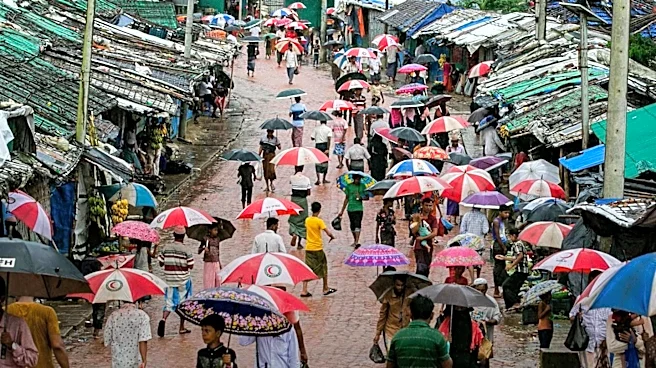
More than 8.4 million Ukrainians are currently living abroad as a result of Russian aggression, according to Dmytro Lubinets, the Verkhovna Rada Commissioner for Human Rights. This figure encompasses the entire period of Russian aggression since 2014,
with a significant portion of the displaced population residing in European Union countries under temporary protection. The ongoing conflict has led to a substantial refugee crisis, impacting both Ukraine and host countries.
Why It's Important?
The displacement of millions of Ukrainians highlights the severe humanitarian impact of the conflict, with long-term implications for both Ukraine and the international community. The refugee crisis poses challenges for host countries in terms of resource allocation, integration, and social services. It also underscores the need for international cooperation and support to address the needs of displaced populations. The situation may influence international policy decisions and humanitarian aid efforts.
What's Next?
Efforts to support displaced Ukrainians are likely to continue, with a focus on providing humanitarian aid and facilitating integration in host countries. The Ukrainian government may seek additional international assistance to address the needs of its displaced citizens. Diplomatic efforts to resolve the conflict and facilitate the return of displaced populations may intensify. The international community will be closely monitoring the situation and its impact on regional stability.
Beyond the Headlines
The displacement crisis raises ethical and legal questions about the rights and protections afforded to refugees and displaced populations. It also highlights the broader implications of conflict-induced migration, including potential demographic shifts and social tensions in host countries. The situation may prompt discussions on the role of international organizations in addressing refugee crises and supporting conflict resolution efforts.