



What's Happening?
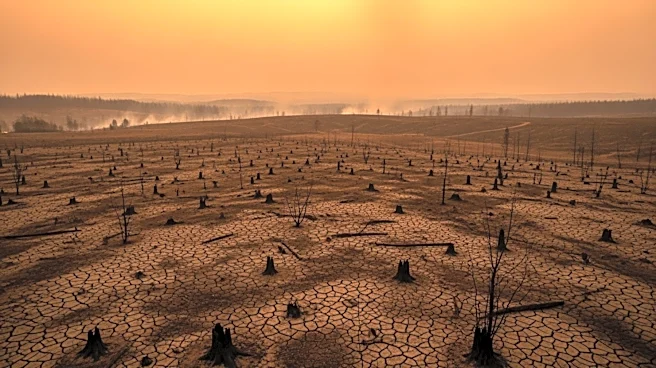
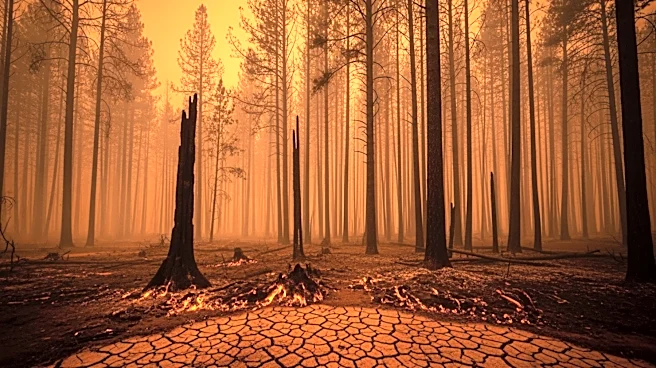
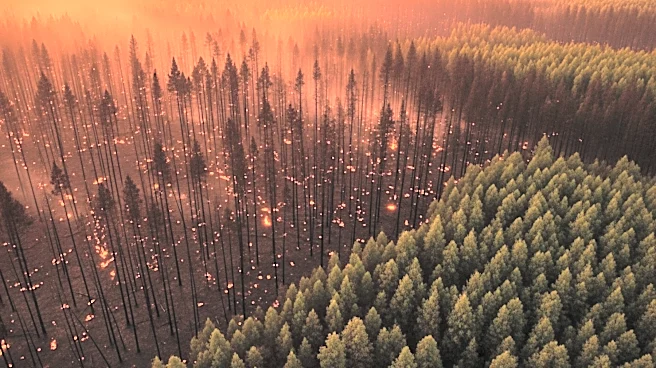
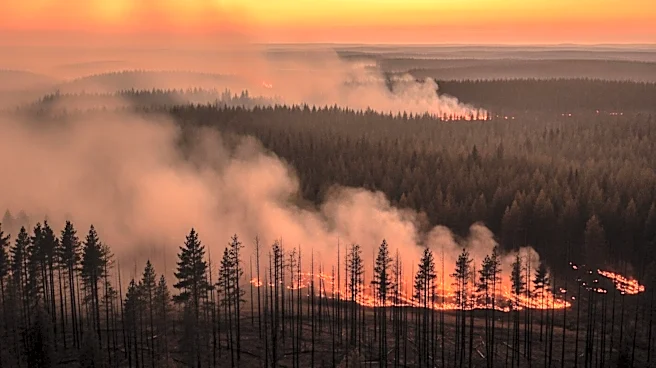
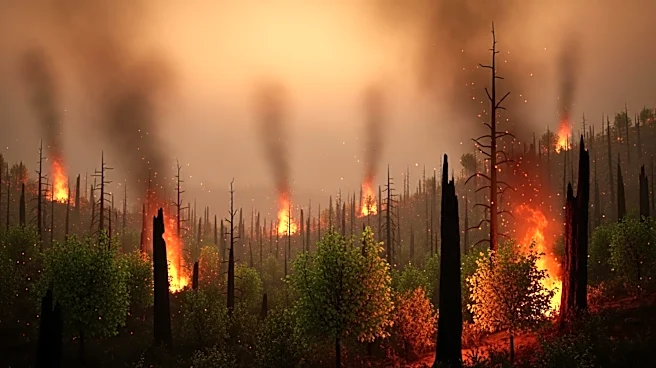
Wildfires in Georgia and Florida have resulted in significant destruction and a tragic loss of life. In Georgia, over 120 homes have been destroyed due to two major wildfires, with the Brantley Highway 82 fire alone responsible for burning 87 homes. The
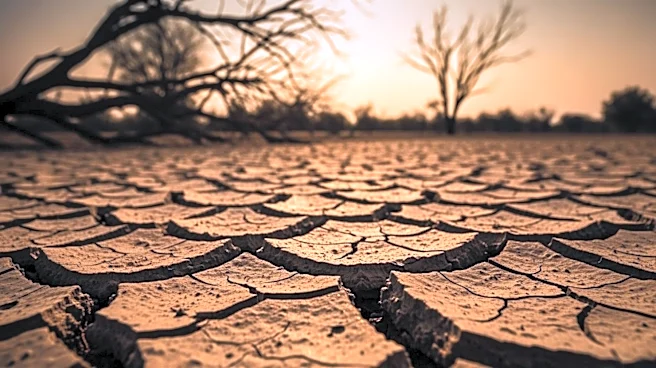
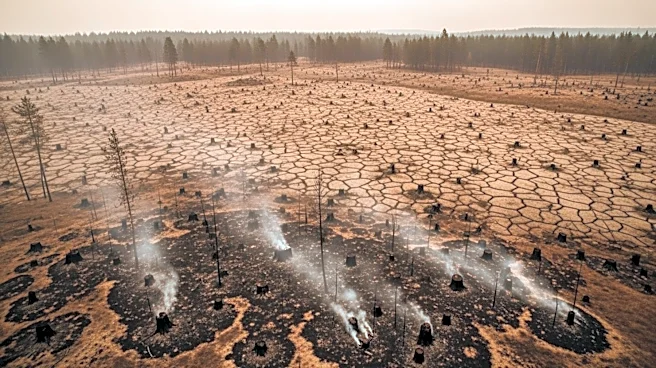
fires have been exacerbated by drought conditions, gusty winds, and climate change, with some fires suspected to have been ignited by human activities such as a foil balloon touching power lines. In Florida, a volunteer firefighter, James 'Kevin' Crews, died from a medical emergency while battling a wildfire. The fires have prompted evacuations and air quality warnings due to the smoky haze affecting distant areas.
Why It's Important?
The wildfires highlight the increasing vulnerability of the Southeast U.S. to fire hazards, exacerbated by climate change and environmental conditions. The destruction of homes and the death of a firefighter underscore the human and economic toll of these natural disasters. The situation poses significant challenges for local authorities and emergency services, who are tasked with managing evacuations and protecting properties. The fires also raise concerns about the adequacy of current fire prevention and response strategies in the face of changing climate patterns.
What's Next?
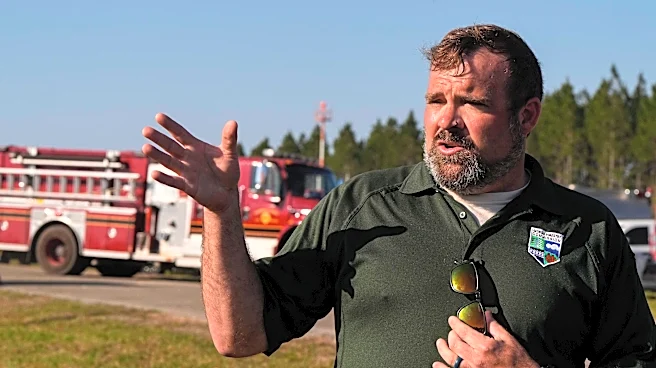
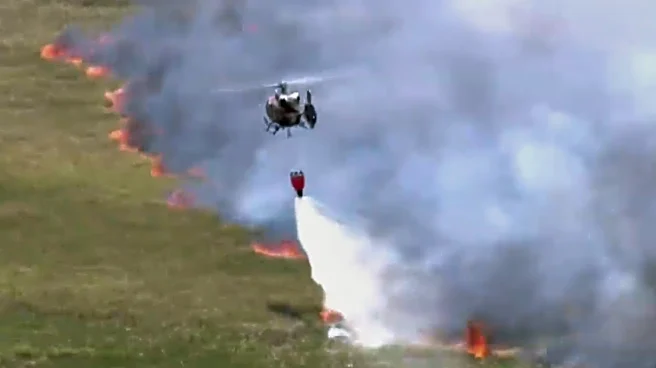
Efforts to contain the fires are ongoing, with firefighters working to create fire breaks and protect structures. However, officials indicate that significant rainfall is needed to fully extinguish the fires, with forecasts predicting insufficient rain in the near term. The potential for thunderstorms raises the risk of new fires ignited by lightning. Long-term, there may be increased pressure on policymakers to address climate resilience and improve fire management strategies to prevent future disasters.
Beyond the Headlines
The wildfires may prompt discussions on the impact of climate change on fire frequency and intensity in the Southeast. The role of human activities in igniting fires could lead to increased scrutiny and regulation of activities that pose fire risks. Additionally, the fires highlight the need for community preparedness and resilience planning, as well as the importance of supporting affected individuals and families in rebuilding their lives.