






What's Happening?
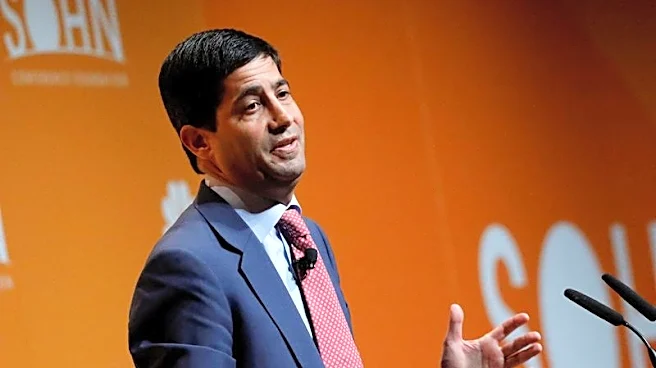
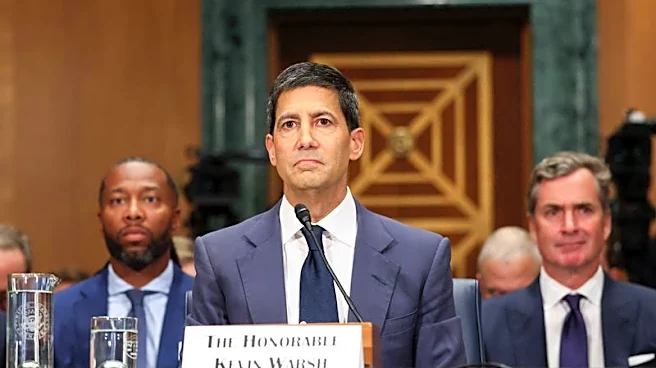
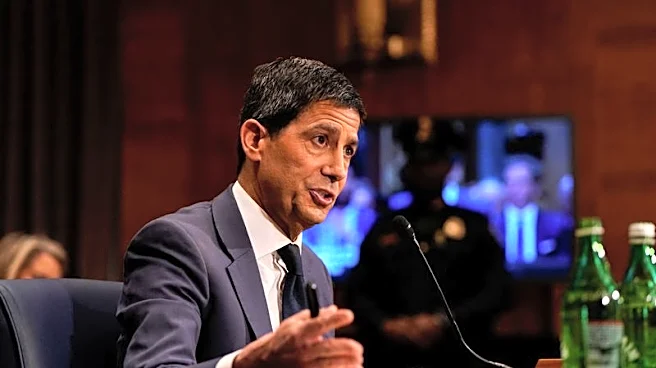
Kevin Warsh, nominated by President Trump to lead the Federal Reserve, has outlined a plan for significant changes at the Fed, including redefining inflation and altering operational practices. During his Senate confirmation hearing, Warsh faced tough
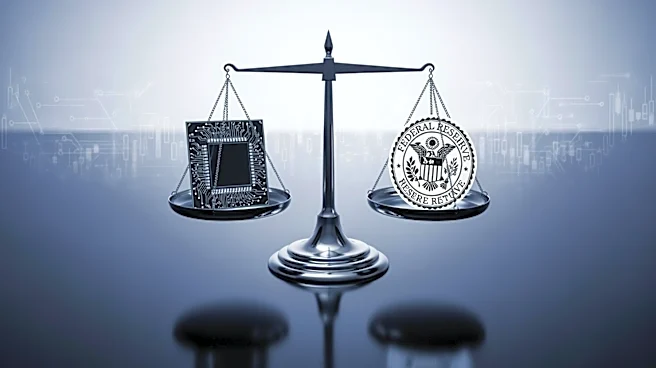
questions about his relationship with President Trump and his views on artificial intelligence's impact on the economy. Despite challenges, Warsh's plan for a 'regime change' at the Fed remains largely intact. He aims to lower interest rates and shift the Fed's approach, which could spark dissent among Fed policymakers. Warsh's nomination comes amid President Trump's demands for lower interest rates and ongoing investigations into current Fed Chair Jerome Powell.
Why It's Important?
Warsh's proposed changes at the Fed could have far-reaching implications for U.S. monetary policy. His approach to redefine inflation and alter the Fed's communication strategies could impact market expectations and economic stability. The confirmation process highlights the tension between maintaining the Fed's independence and political pressures from the executive branch. Warsh's potential leadership could lead to shifts in interest rate policies, affecting borrowing costs and economic growth. The broader implications of his confirmation could influence how the Fed navigates future economic challenges and its role in shaping monetary policy.
What's Next?
If confirmed, Warsh may face resistance from other Fed officials as he attempts to implement his 'regime-change' plan. His approach could lead to debates within the Fed about interest rate policies and the institution's role in the economy. The ongoing investigation into Fed Chair Jerome Powell and the political dynamics surrounding Warsh's nomination could influence the confirmation timeline and the Fed's future direction. Warsh's leadership could redefine the Fed's operational practices, impacting how monetary policy is communicated and executed.