
What's Happening?
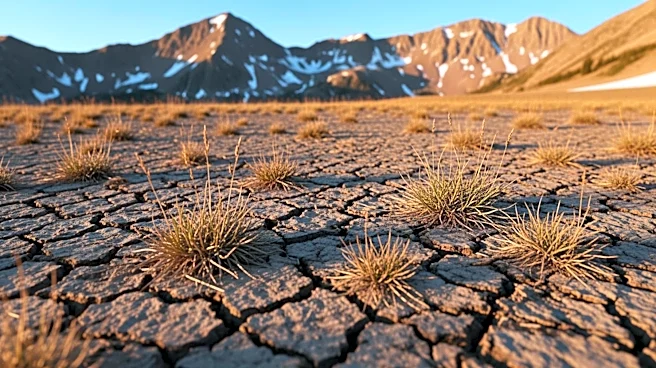
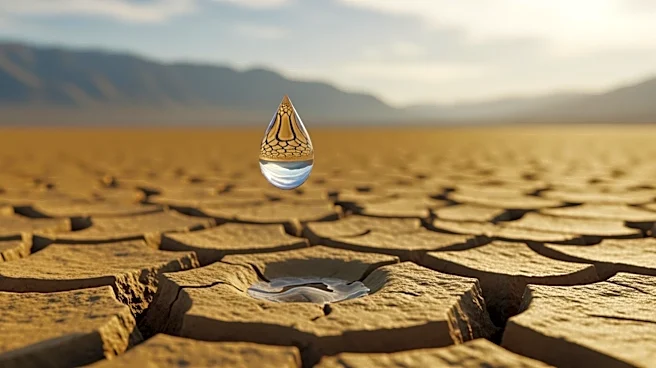
Colorado is experiencing its worst snowpack since recordkeeping began in 1941, with snow accumulations peaking a month early and containing only half the average moisture. This development is part of a broader
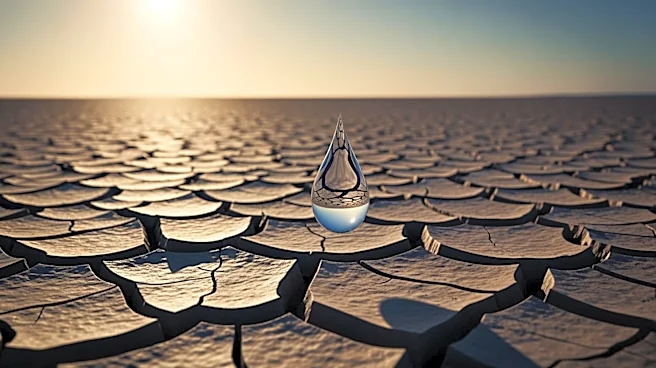
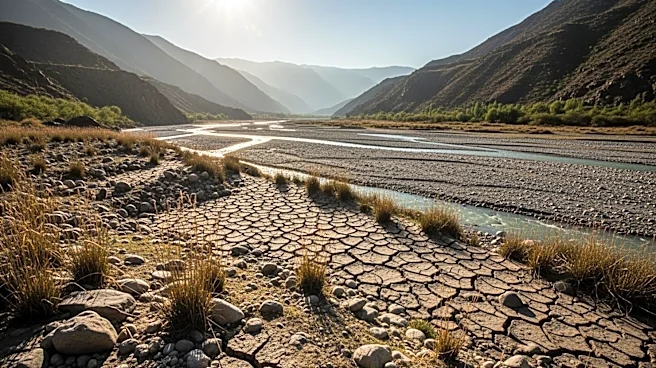
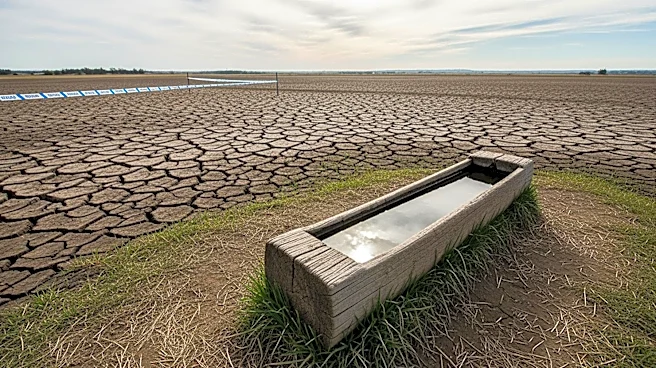
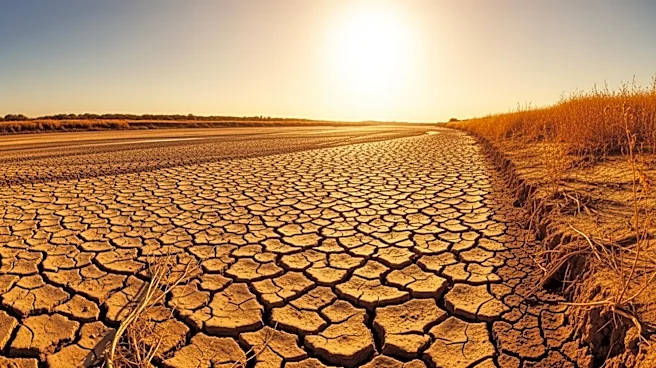
trend of warm winters and early spring heat, leading to rapid snowmelt and exacerbating drought conditions across the western United States. Cities in the region, such as Denver and Salt Lake City, are implementing water-use restrictions to manage the dwindling water supply. Ranchers in Colorado's mountain valleys are particularly affected, facing challenges in feeding and watering their cattle due to dry conditions. The situation is compounded by the looming threat of wildfires, as hot and dry weather persists.
Why It's Important?
The record low snowpack in Colorado is a critical indicator of worsening drought conditions that could have significant implications for water availability in the western United States. The Colorado River, which relies heavily on mountain snowmelt, is a vital water source for millions of people and agricultural operations. The ongoing drought, driven in part by climate change, is straining water resources and prompting states to negotiate new management rules. The situation highlights the urgent need for sustainable water management practices and cooperation among states to address the challenges posed by climate change and water scarcity.
What's Next?
As the drought persists, states in the Colorado River Basin are under pressure to reach agreements on water management to prevent further shortages. The current rules governing water use are set to expire in September, and negotiations have been challenging. If an agreement is not reached, the dispute may escalate to legal battles. Meanwhile, cities and agricultural operations will need to continue implementing water conservation measures. The potential for wildfires remains high, necessitating preparedness and response strategies to mitigate risks.