


What's Happening?
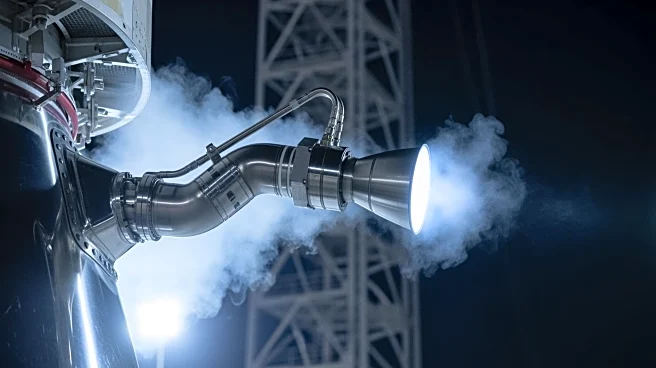
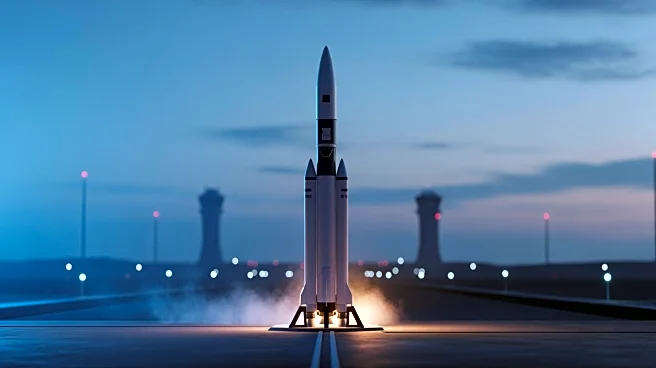
NASA has delayed the Artemis II mission, which aims to return astronauts to the moon, due to a new issue with the rocket's helium system. The mission, initially scheduled for March, is now expected to launch in April. The helium flow interruption, unrelated
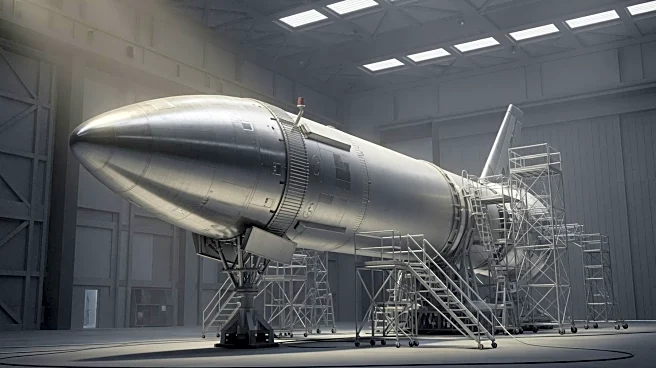
to previous hydrogen fuel leaks, requires the rocket to be returned to its hangar for repairs. This setback follows a series of delays and technical challenges faced by the Artemis program, which aims to resume lunar exploration after more than 50 years.
Why It's Important?
The delay highlights the technical complexities and challenges of space exploration, particularly in the context of ambitious missions like Artemis II. The mission is a critical step in NASA's broader goal of establishing a sustainable human presence on the moon and eventually Mars. The postponement may impact timelines and budgets, as well as international collaborations and partnerships in space exploration.
What's Next?
NASA will focus on resolving the helium issue and preparing the rocket for an April launch. The agency will continue to address technical challenges to ensure the success of future Artemis missions. The delay may prompt a reassessment of timelines and strategies for lunar exploration, with potential implications for international space cooperation and commercial partnerships.