





What's Happening?
H.E. Fayez Rasamny, Lebanon’s Minister of Public Works and Transport, is scheduled to participate in a public webcast hosted by the CSIS Middle East Program on Monday, November 9, at 9:00 AM ET. The discussion will focus on Lebanon's urgent need to invest
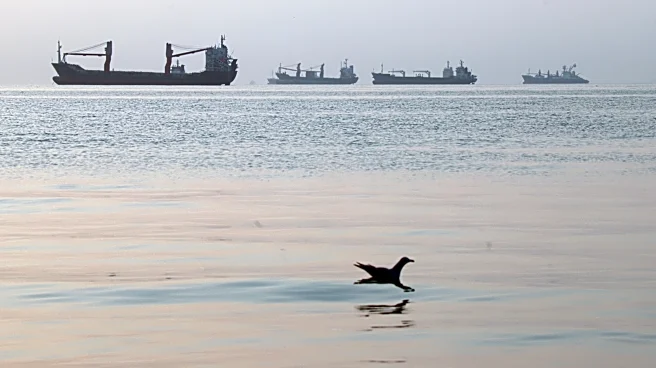
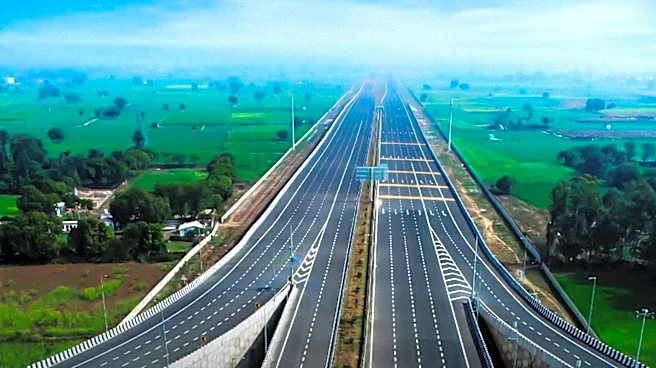
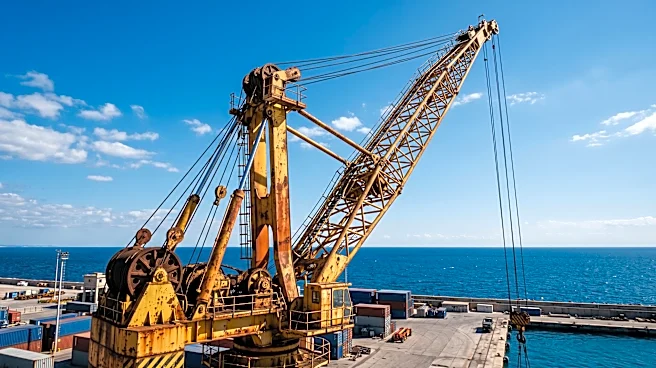
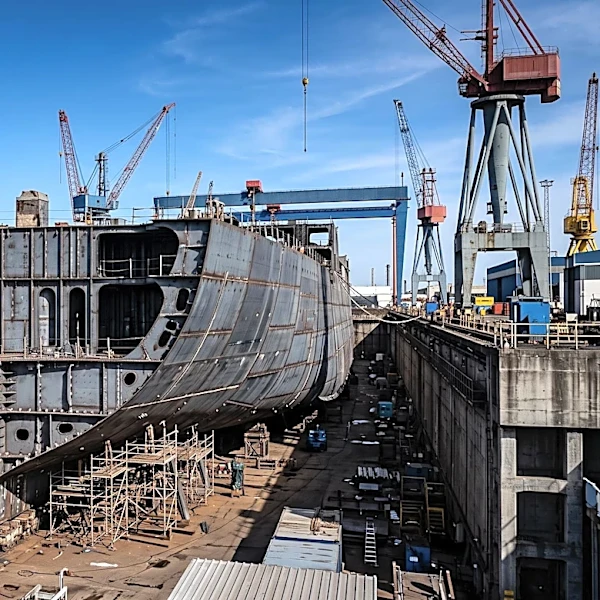
in public works, transport, and regional connectivity as it embarks on economic recovery. Years of economic crisis, political instability, and regional conflict have severely strained the country's infrastructure, public services, and trade networks. Minister Rasamny will outline his ministry's priorities, its role in reconstruction, and the development of key infrastructure projects such as Qlayaat Airport, the rehabilitation of rail links connecting Tripoli to Syria, and the expansion of Beirut and Tripoli’s ports. These initiatives aim to restore Lebanon's role as a regional hub for trade and transit and bolster its economy.
Why It's Important?
Lebanon's ability to rebuild its infrastructure and re-establish regional connectivity is crucial for its economic survival and long-term stability. The country's strategic geographic position offers significant potential to participate in emerging trade, transportation, and energy corridors. However, this potential is currently hampered by damaged infrastructure, ongoing conflict, and a challenging political and financial landscape. Investments in public works and transport could create jobs, stimulate economic activity, and improve the quality of life for Lebanese citizens. The discussion at CSIS will shed light on the government's reform agenda and its efforts to navigate these complex challenges, providing insights into how Lebanon plans to work with global and regional partners to attract necessary investments and overcome regulatory hurdles.
What's Next?
The webcast will serve as a platform for Minister Rasamny to articulate Lebanon's vision for infrastructure development and regional integration. The insights shared will be critical for understanding the country's path forward in economic recovery and reconstruction. The discussion will also address the political, financial, and regulatory challenges that Lebanon must overcome to strengthen its position as a regional hub. The engagement with international partners and investors, as highlighted by the event's focus, suggests an ongoing effort to secure external support for these ambitious projects. The outcomes of these discussions could influence future investment decisions and international cooperation efforts aimed at stabilizing and revitalizing the Lebanese economy.
Beyond the Headlines
Beyond the immediate economic benefits, rebuilding Lebanon's infrastructure and enhancing regional connectivity carry significant geopolitical implications. A stronger, more connected Lebanon could reduce its vulnerability to regional conflicts and external influences, fostering greater national sovereignty. The emphasis on integrating into wider trade and energy networks suggests a strategic shift towards leveraging its geographic advantages for economic resilience. However, the success of these initiatives will depend heavily on addressing deep-seated issues of political instability and corruption, which have historically deterred investment and undermined development efforts. The conversation will implicitly touch upon the delicate balance between national development and regional power dynamics, particularly in a country deeply affected by its neighbors' conflicts.