


What's Happening?
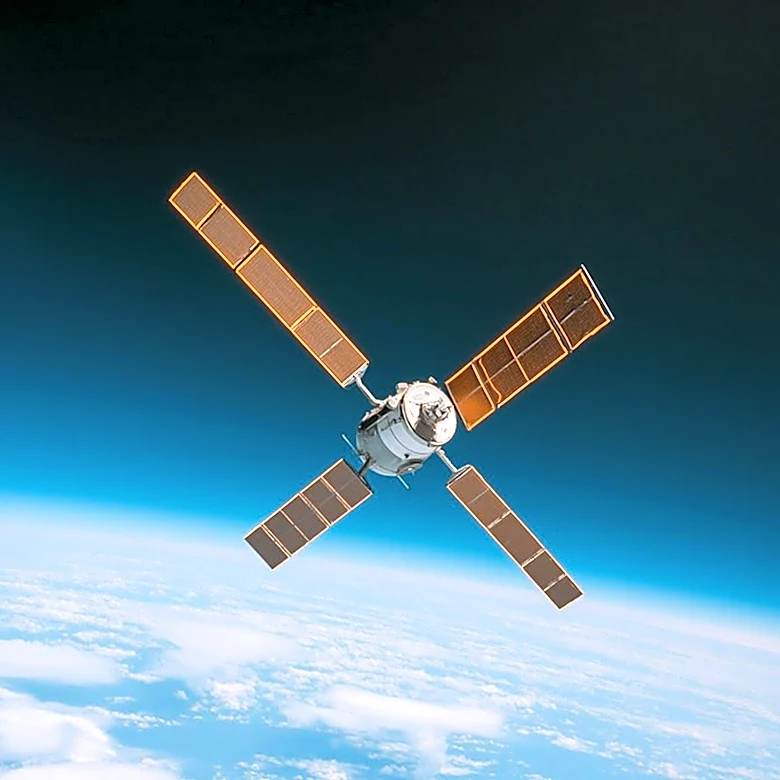
NASA's ESCAPADE mission, part of the agency's Heliophysics Division, has successfully captured images of Earth and the Moon using its Visible and Infrared Observation System cameras. The spacecraft, one of two Mars-destined ESCAPADEs, took these images from
a distance of 363,250 miles from Earth and 115,600 miles from the Moon. The images, taken in both visible and thermal infrared light, show Earth and the Moon as crescents with only 8% of their surfaces illuminated by the Sun. The thermal images reveal Earth's shadowed hemisphere glowing due to its own heat, while the Moon's far side remains much cooler. These images serve as a calibration check for the mission's cameras, which will later study Martian auroras and the thermal properties of Mars. The ESCAPADE spacecraft are currently in a 'loiter' orbit around Lagrange point 2 and are scheduled to use Earth's gravity in November 2026 to slingshot towards Mars, arriving in September 2027.
Why It's Important?
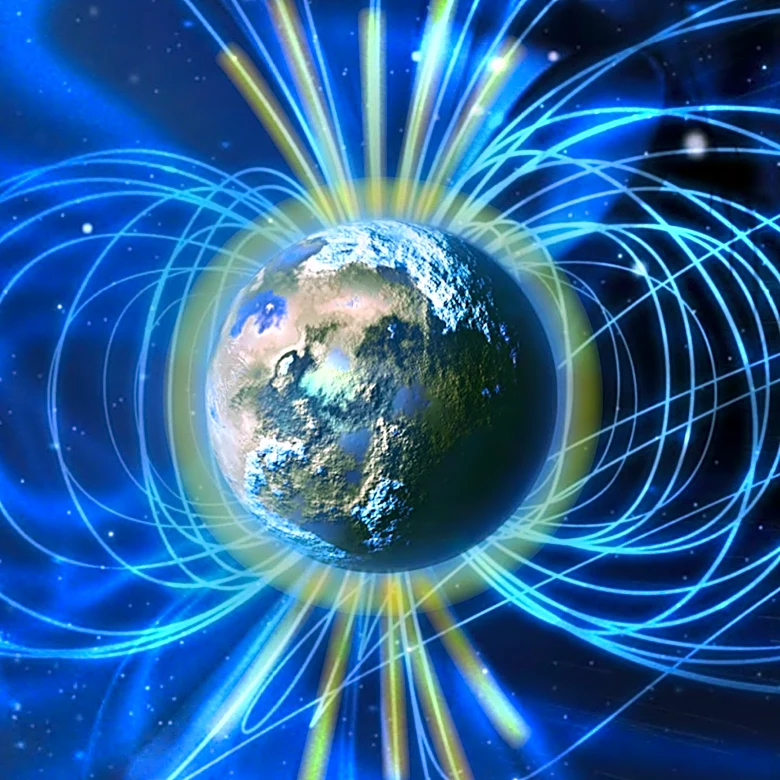
The ESCAPADE mission is significant as it represents a step forward in understanding the interaction between solar wind and planetary atmospheres, particularly Mars. By capturing images of Earth and the Moon, the mission ensures the calibration of its instruments, which are crucial for its primary objective of studying atmospheric loss on Mars. This research could provide insights into the planet's climate history and its potential for supporting life. The mission also highlights international collaboration in space exploration, involving partners like Rocket Lab and NASA's Goddard Space Flight Center. The findings could influence future missions and strategies for planetary exploration, potentially impacting scientific understanding and policy decisions related to space exploration.
What's Next?
The ESCAPADE spacecraft will continue their journey towards Mars, with a planned flyby of Earth in November 2026 to gain the necessary velocity for their Martian mission. Upon arrival in September 2027, the spacecraft will begin their scientific operations, focusing on how solar wind affects Mars' atmosphere. The data collected will be crucial for future Mars exploration missions, potentially aiding in the development of technologies for human exploration. Stakeholders in the space industry, including governmental and private entities, will be closely monitoring the mission's progress and findings, which could influence future investments and collaborations in space exploration.