





What's Happening?
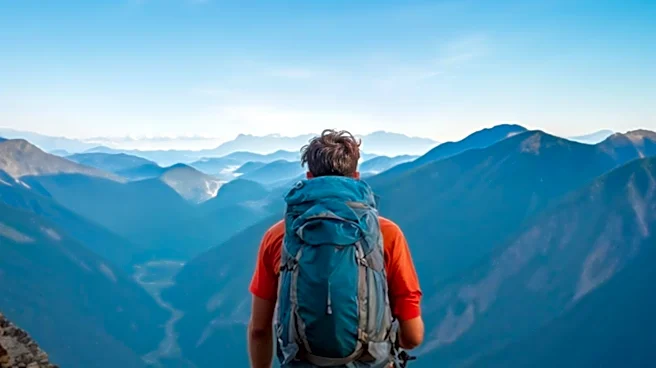
David Cifaldi, a Montana resident and emergency room nurse, survived a harrowing ordeal after impaling himself with a trekking pole during a hike on Granite Peak, the state's highest mountain. While hiking with friends, Cifaldi slipped and fell, causing
the pole to pierce his side and exit through his lower back, narrowly missing vital organs. Despite the severe injury, Cifaldi's medical training allowed him to assess the situation and determine it was not immediately life-threatening. He and his friends then embarked on a six-and-a-half-hour descent, during which they alerted authorities using a satellite communicator. Cifaldi's selflessness was evident as he instructed his friends to warn other hikers, especially families, to avoid witnessing his injury. Surgeons later successfully removed the pole in Billings.
Why It's Important?
This incident highlights the resilience and resourcefulness of individuals in life-threatening situations, particularly those with medical training. Cifaldi's ability to self-assess and manage his injury underscores the importance of first aid knowledge and preparedness in outdoor activities. The story also serves as a reminder of the potential dangers associated with hiking and the need for proper safety measures. For the broader community, it emphasizes the value of emergency communication devices like satellite communicators, which can be crucial in remote areas where traditional cell service is unavailable.