





What's Happening?
The U.S. Geological Survey's National Water Availability Assessment has raised alarms about water scarcity and quality issues in the United States, particularly as a severe drought continues to affect the Western region. According to Dr. Edward Stets,
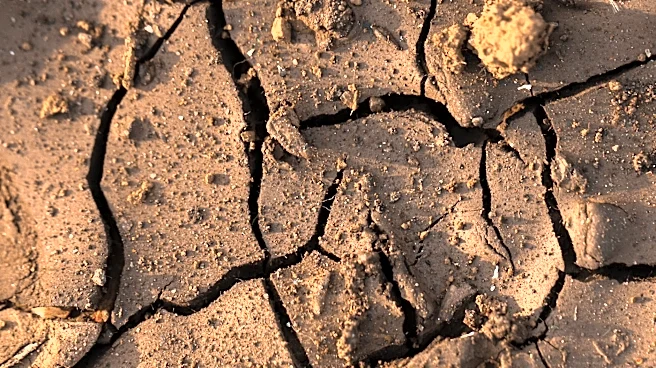
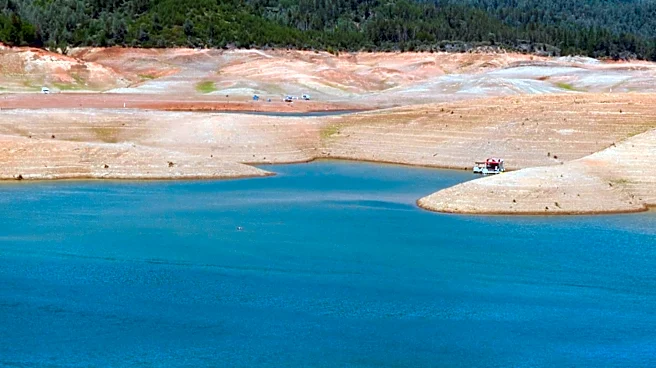
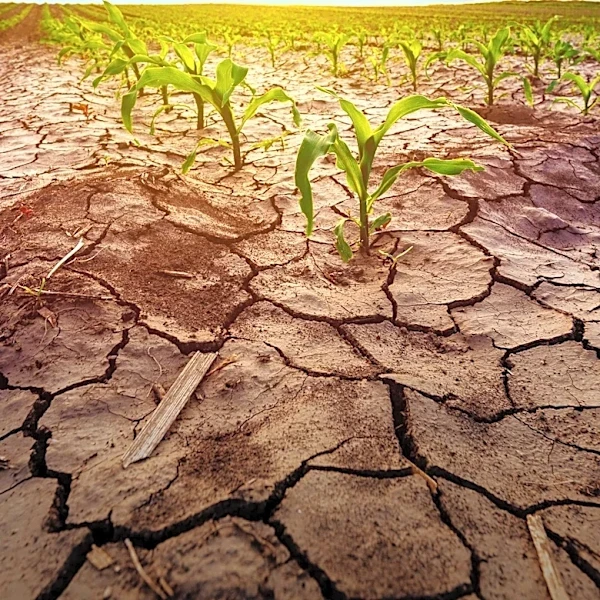
a researcher involved in the assessment, nearly 30 million Americans live in areas where surface-water supplies are limited compared to usage. The High Plains Aquifer, spanning eight states, is experiencing significant groundwater depletion due to extensive withdrawals since the 1950s. This depletion is exacerbated by a mega drought affecting the Western U.S., with states like Washington, Oregon, Colorado, Utah, Arizona, and New Mexico experiencing their lowest snowfall in 20 years. Alta Ski Area in Utah, for instance, recorded its lowest snowfall in 45 years during the 2025-2026 season. The drought not only impacts water availability but also affects water quality, with concerns over nutrient concentrations and pollution from both anthropogenic and geogenic sources.
Why It's Important?
The intensifying drought and water scarcity pose significant challenges to the U.S., affecting both the environment and the economy. The depletion of the High Plains Aquifer threatens agricultural productivity in the Midwest, particularly in Northern Texas, where water stress is high. The reduced snowfall impacts the local economies of ski resorts, as seen in Utah, where resorts had to close early due to insufficient snow. Water quality issues, such as nutrient pollution and contamination from industrial waste, pose health risks to humans and ecosystems. These challenges highlight the need for sustainable water management practices and policies to ensure long-term water security and quality.
What's Next?
As the drought persists, stakeholders, including government agencies, environmental groups, and local communities, will need to collaborate on strategies to manage water resources effectively. This may involve investing in water conservation technologies, improving infrastructure for water storage and distribution, and implementing policies to regulate water usage. Additionally, addressing water quality issues will require monitoring and mitigating pollution sources. The situation calls for a comprehensive approach to balance water demand with sustainable supply, ensuring that both human and ecological needs are met.
Beyond the Headlines
The ongoing water crisis underscores the broader implications of climate change and its impact on natural resources. As weather patterns become more unpredictable, regions traditionally reliant on consistent snowfall and rainfall may need to adapt to new environmental realities. This could lead to shifts in agricultural practices, urban planning, and economic strategies. Furthermore, the crisis highlights the importance of equitable water distribution, as not all regions have equal access to freshwater resources. Addressing these challenges will require innovative solutions and a commitment to environmental stewardship.