






What's Happening?
The Federal Energy Regulatory Commission (FERC) is currently soliciting public comments on FERC-521: Payments for Benefits from Headwater Improvements. This initiative is in compliance with the Paperwork Reduction Act of 1995 (PRA) and involves submitting
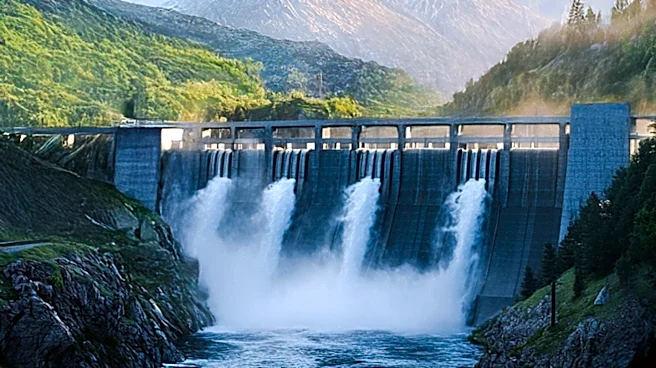
the information collection requirements to the Office of Management and Budget (OMB) for review. Notably, FERC has not proposed any changes to the existing reporting requirements for FERC-521. The purpose of FERC-521 is to implement information collections as mandated by Section 10(f) of the Federal Power Act (FPA). This section requires hydropower licensees to compensate upstream headwater project owners for an equitable share of the benefits derived from construction work related to headwater improvements. These benefits specifically refer to the increased energy production at downstream hydropower projects due to the regulation of river flows by upstream storage reservoirs. Both federal entities, such as the U.S. Army Corps of Engineers and the U.S. Department of Interior Bureau of Reclamation, and non-federal hydropower project owners (municipal or non-municipal) are required to file data for determining these headwater benefits, as outlined in 18 Code of Federal Regulations (CFR) Part 11. The deadline for submitting comments on this collection of information is October 19, 2026.
Why It's Important?
This public comment period is important for ensuring transparency and efficiency in the regulatory process governing hydropower operations in the U.S. By inviting feedback on FERC-521, the Commission allows stakeholders, including federal agencies and private hydropower operators, to voice concerns or suggest improvements, even though no changes are currently proposed. The collection of information under FERC-521 is crucial for the equitable distribution of costs and benefits among hydropower project owners, which directly impacts the financial viability and operational stability of these energy producers. The requirement for downstream licensees to reimburse upstream owners for headwater benefits helps to internalize the positive externalities of upstream storage, promoting fair compensation and potentially encouraging further investment in water management infrastructure. This regulatory mechanism ensures that the economic advantages gained from regulated river flows are appropriately shared, preventing unjust enrichment and supporting the sustainable operation of the nation's hydropower resources. The process also underscores FERC's commitment to regulatory oversight and compliance with federal acts like the PRA, which aims to minimize the burden of information collection on the public.
What's Next?
Following the public comment period, which closes on October 19, 2026, FERC will review all submitted comments. Although no changes to the reporting requirements for FERC-521 have been proposed at this time, the Commission will consider any feedback received regarding the necessity, accuracy, clarity, and burden of the information collection. This review process will inform FERC's decision on the three-year extension of the FERC-521 information collection requirements. Stakeholders, including federal and non-federal hydropower project owners, will continue to be subject to these reporting requirements to ensure compliance with Section 10(f) of the Federal Power Act. The outcome of this review will determine the future administrative procedures for calculating and allocating headwater benefits, potentially influencing operational costs and revenue streams for hydropower facilities across the U.S. The Commission's decision will be communicated to the Office of Management and Budget for final approval of the extension.
Beyond the Headlines
The ongoing process of soliciting public comment on FERC-521 highlights the intricate balance between federal regulation and the operational realities of the U.S. energy sector. While seemingly a routine administrative procedure, the collection of information on headwater improvements is fundamental to the economic framework of hydropower generation. The equitable allocation of benefits from headwater improvements can influence investment decisions in new hydropower projects or upgrades to existing ones, as it directly impacts the financial returns for both upstream and downstream operators. This regulatory mechanism also touches upon broader environmental and resource management considerations, as the regulation of river flows for energy production has ecological implications. The transparency of this process, facilitated by public comment periods, is vital for maintaining trust between regulators and the regulated entities, ensuring that energy policy is developed with input from those directly affected. The long-term stability and growth of hydropower, a significant source of renewable energy in the U.S., depend on such well-defined and fairly enforced regulatory frameworks.