




What's Happening?
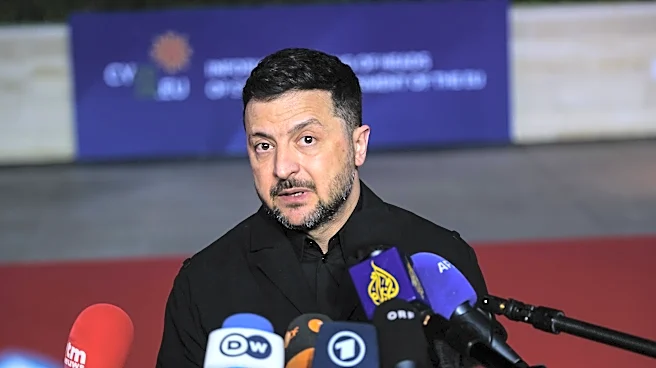
Ukrainian President Volodymyr Zelenskyy has reported that the Ukrainian military is once again experiencing limitations on the speed of drones equipped with Starlink terminals, specifically those utilizing the Starshield defense solution. These restrictions
are reportedly imposed across the entire frontline and in Russian-occupied territories of Ukraine, capping drone speeds at 100 mph (161 km/hour). Zelenskyy stated that a review by the Ukrainian military, including reports from Defense Minister Yevhenii Khmara and Commander-in-Chief Mykhailo Drapatyi, concluded that these are systemic limitations rather than accidental technical errors. This issue significantly complicates the interception of Russian jet-powered drones, as Ukrainian interceptor drones cannot achieve the necessary speed to catch them. The Ukrainian military previously observed similar restrictions in October, which were lifted after two weeks, with US officials and SpaceX not taking responsibility for their implementation. Beyond interceptor drones, these speed limits also affect Ukrainian operations involving mid-range and logistics drones.
Why It's Important?
These recurring Starlink speed restrictions have critical implications for Ukraine's defense capabilities, particularly in countering advanced Russian drone threats. The inability of Ukrainian interceptor drones to match the speed of Russian jet-powered drones creates a significant vulnerability, potentially leading to increased successful attacks by Russian forces. This technological constraint directly impacts Ukraine's air defense strategy, forcing them to rely on more expensive and scarce resources like fighter sorties and missiles to counter threats that could otherwise be addressed by cheaper interceptor drones. The systemic nature of these limitations, as described by President Zelenskyy, raises questions about the control and influence over critical communication infrastructure in a warzone. It also highlights the complex interplay between commercial technology providers and national security interests, where technical decisions can have profound battlefield consequences. The previous instance of restrictions being lifted without clear accountability further complicates the situation, leaving Ukraine in a precarious position regarding its technological reliance.
What's Next?
The Ukrainian military will likely continue to assess the impact of these speed restrictions on their operations and seek solutions to mitigate the disadvantages. This could involve further engagement with US officials and SpaceX to understand the reasons behind the limitations and advocate for their removal. Ukraine may also explore alternative drone technologies or counter-drone strategies that are less reliant on Starlink's performance parameters. The ongoing nature of these restrictions could prompt Ukraine to accelerate the development and deployment of its own independent communication and drone control systems to reduce reliance on external providers. Furthermore, the situation may lead to increased international pressure on SpaceX or the US government to clarify their policies regarding the use of Starlink in conflict zones and ensure that such limitations do not inadvertently undermine defensive efforts against aggression.
Beyond the Headlines
The recurring Starlink speed limitations underscore the growing importance of commercial satellite communication in modern warfare and the inherent vulnerabilities that come with reliance on private entities. This situation raises broader questions about the ethical responsibilities of technology companies operating in conflict zones and the extent to which they should be subject to governmental oversight or international humanitarian law. The 'systemic' nature of the limitations, as opposed to technical glitches, suggests a deliberate policy or technical configuration that has significant strategic implications. This could be a precursor to future debates on the weaponization of commercial technology and the need for clear international frameworks governing their use in warfare. The incident also highlights the rapid evolution of drone warfare, where countermeasures and counter-countermeasures are constantly being developed, pushing the boundaries of technological adaptation on the battlefield.