



What's Happening?
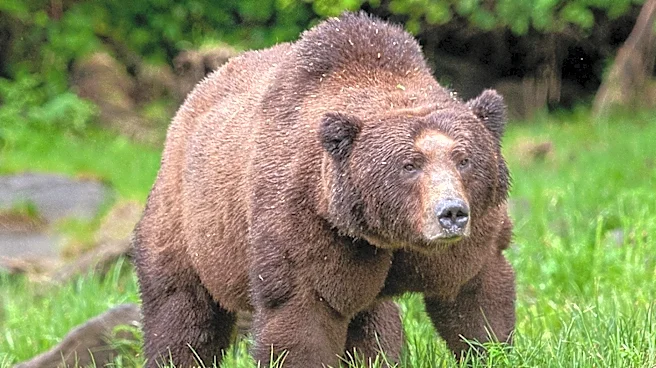
A runner in Anchorage sustained injuries during a brown bear attack on the Wolverine Bowl trail, near the Prospect Heights trailhead, on Thursday. The incident, reported by the Alaska Department of Fish and Game, involved a woman who was running alone
when she encountered the bear. She was able to deploy bear spray, which helped to deter the animal. Following the encounter, the woman self-rescued by making her way back to the trailhead, from where she was subsequently transported to a local hospital for medical treatment. The severity of her injuries was not immediately disclosed as life-threatening. In response to the attack, biologists from the Alaska Department of Fish and Game conducted a search for the bear, though it was unsuccessful. They also collected samples from the site and have since posted warning signs in the area to alert other trail users to the potential presence of bears and to advise caution.
Why It's Important?
This incident underscores the ongoing challenges and inherent risks associated with human-wildlife interactions in areas where urban development borders natural habitats, particularly in regions like Alaska known for their dense wildlife populations. The use of bear spray in this situation highlights its critical role as a personal defense tool for outdoor enthusiasts, potentially preventing more severe outcomes. For residents and visitors of Anchorage, a city renowned for its accessible wilderness, such events serve as a stark reminder of the importance of bear safety protocols, including carrying deterrents and being aware of surroundings. The response by the Alaska Department of Fish and Game, involving investigation and public warnings, is crucial for maintaining public safety and managing wildlife in shared spaces. This event could influence local policies regarding trail access, wildlife management strategies, and public education campaigns aimed at minimizing future conflicts between humans and bears, impacting recreational activities and local tourism.
What's Next?
Following the bear attack, the Alaska Department of Fish and Game will likely continue to monitor the area around the Prospect Heights trailhead for further bear activity. The warning signs posted at the trailhead are expected to remain in place, advising hikers and runners of the increased risk and encouraging them to take precautions. Public advisories regarding bear safety best practices, such as carrying bear spray, making noise on trails, and avoiding running alone, may be reinforced by local authorities and wildlife agencies. The injured runner will continue to receive medical care, with updates on her condition anticipated. Depending on any further sightings or incidents, the Alaska Department of Fish and Game may consider additional measures, such as temporary trail closures or more intensive bear management efforts, to ensure public safety in this popular recreational area. The incident will also likely prompt discussions among local community groups and outdoor organizations about enhancing safety measures for trail users.
Beyond the Headlines
This bear attack transcends a singular incident, touching upon broader ecological and societal implications. It highlights the increasing interface between human populations and wildlife, a growing concern as urban areas expand into natural ecosystems. The event prompts a deeper reflection on the balance between preserving wilderness and ensuring human safety, particularly in regions like Alaska where wildlife is an integral part of the landscape. Ethically, it raises questions about responsible recreation and the impact of human presence on animal behavior. Legally, it could influence liability discussions for land managers and the enforcement of wildlife safety regulations. Culturally, such encounters reinforce the narrative of Alaska as a wild frontier, while also emphasizing the need for coexistence strategies. The long-term shift could involve more sophisticated wildlife tracking and management techniques, alongside enhanced public education programs designed to foster a culture of awareness and respect for wildlife, ultimately shaping how communities interact with their natural surroundings.