




What's Happening?
The World Health Organization (WHO) has reported that the ongoing Ebola outbreak in the Democratic Republic of the Congo (DRC) is the fastest spreading on record. The outbreak, which began in February, has resulted in over 2,000 deaths and 4,381 confirmed
cases. The Bundibugyo strain of the Ebola virus, identified through genomic sequencing, has been circulating since mid-February, although it was not detected until May. Initial misdiagnoses as malaria or typhoid fever contributed to the delay in identifying the outbreak. The WHO has declared the outbreak the second-largest in history, following the 2014-2016 West Africa outbreak. Efforts to control the outbreak have been hampered by worker strikes, limited contact tracing, and a lack of targeted vaccines or treatments.
Why It's Important?
The rapid spread of the Ebola virus in the DRC poses significant public health challenges. The outbreak's acceleration highlights the need for improved diagnostic capabilities and faster response times to prevent further spread. The high mortality rate and the virus's ability to outpace current response efforts underscore the urgency for international support and resources. The outbreak's impact extends beyond health, affecting economic stability and social structures in the region. The situation calls for coordinated global efforts to enhance containment strategies, ensure safe access for health workers, and provide necessary medical supplies and support to affected communities.
What's Next?
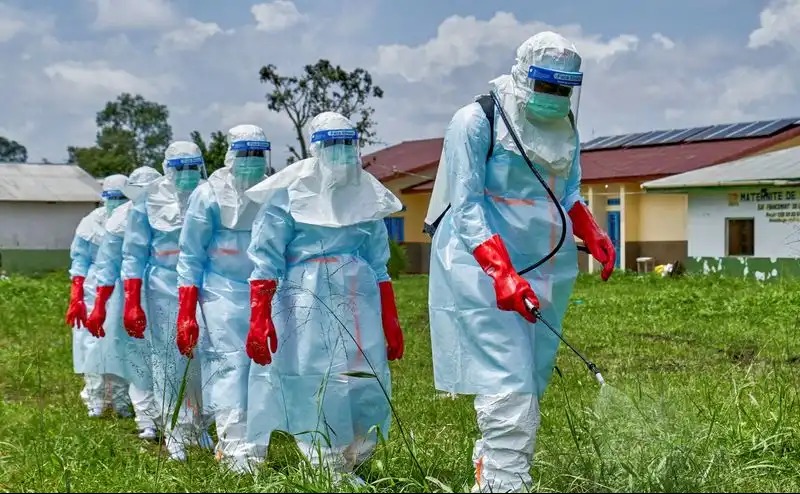
The WHO and the United Nations have called for intensified response efforts, particularly in hot spots like Ituri province. There is a pressing need to scale up contact tracing, improve access to medical care, and ensure the safety of health workers. The international community is urged to mobilize resources and support to contain the outbreak. Efforts will focus on increasing vaccination coverage, enhancing community engagement, and addressing logistical challenges in delivering aid. The situation remains critical, with ongoing monitoring and adaptation of strategies required to curb the outbreak's spread.