





What's Happening?
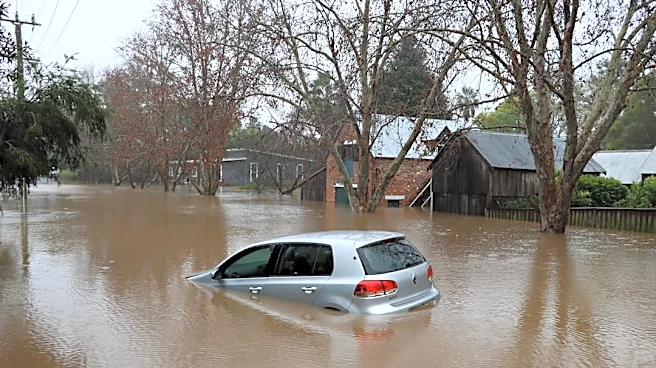
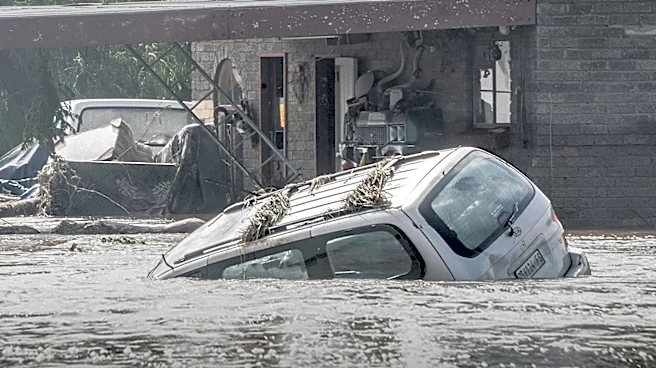
CARE International Pakistan has initiated emergency flood relief operations in response to significant loss of life and property caused by recent monsoon rains and floods across Pakistan. The National Disaster Management Authority (NDMA) reports that
over 190 people have died and more than 500 have been injured nationwide. With further heavy rainfall anticipated, relief efforts are being intensified in affected areas. CARE International Pakistan is distributing essential supplies, including shelter kits, food kits, hygiene kits, kitchen sets, and other non-food items, to families impacted by the disaster. In Chitral, specifically, more than 157 affected households have received these relief items through the Sarhad Rural Support Programme (SRSP), in coordination with local administration and humanitarian organizations. The organization's Country Director, Adil Shiraz, emphasized that ensuring timely access to basic necessities for flood-affected communities is their immediate priority.
Why It's Important?
The ongoing flood crisis in Pakistan highlights the severe humanitarian challenges posed by extreme weather events, which are becoming more frequent and intense globally. The loss of life and widespread destruction of property underscore the vulnerability of communities to natural disasters. The coordinated efforts of organizations like CARE International Pakistan, in conjunction with local authorities, are crucial for immediate relief and long-term recovery. This situation also draws attention to the broader implications of climate change, as monsoon patterns become more unpredictable and devastating. The need for robust disaster preparedness and response mechanisms is paramount to mitigate human suffering and economic disruption. The involvement of international aid organizations and local partnerships is vital in addressing the immediate needs of affected populations and supporting their journey towards recovery and rebuilding their lives.
What's Next?
Relief and emergency response activities are expected to intensify as further heavy rainfall is forecast across different parts of Pakistan. CARE International Pakistan will continue its efforts to provide life-saving assistance and support recovery initiatives, working with local partners and communities. The organization aims to address both the immediate needs of flood-affected families and assist them in returning to normal life. The ongoing investigation into the extent of the damage and the needs of the affected population will likely guide future relief phases. International support and continued coordination among various aid agencies and government bodies will be critical in sustaining these efforts and ensuring comprehensive recovery for the impacted regions.
Beyond the Headlines
The recurring nature of severe monsoon floods in Pakistan points to deeper systemic issues, including climate vulnerability, inadequate infrastructure, and the need for sustainable urban planning and disaster management strategies. Beyond immediate relief, the long-term implications involve rebuilding resilient communities, implementing early warning systems, and investing in climate-adaptive infrastructure. The displacement of families and the destruction of livelihoods can lead to prolonged social and economic instability, potentially exacerbating poverty and health crises. This situation also underscores the ethical responsibility of the global community to support countries disproportionately affected by climate change, even if they are not the primary contributors to the problem. The focus will eventually shift from emergency aid to sustainable development and climate resilience building.