





What's Happening?
Ministers of Health from the Caribbean Community (CARICOM) have endorsed a new regional framework during the 53rd Meeting of the Council for Human and Social Development, Health (COHSOD-Health) in Washington, D.C. This Action Plan aims to strengthen the health
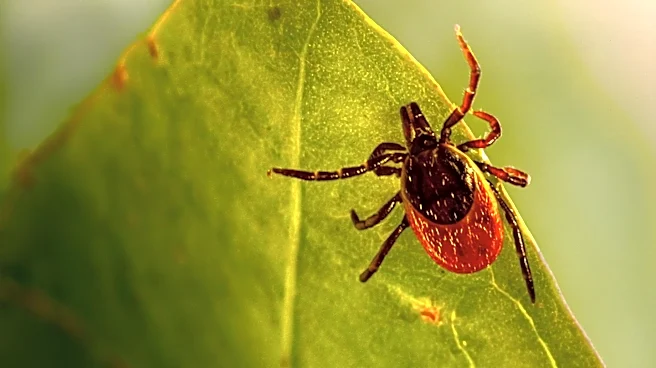
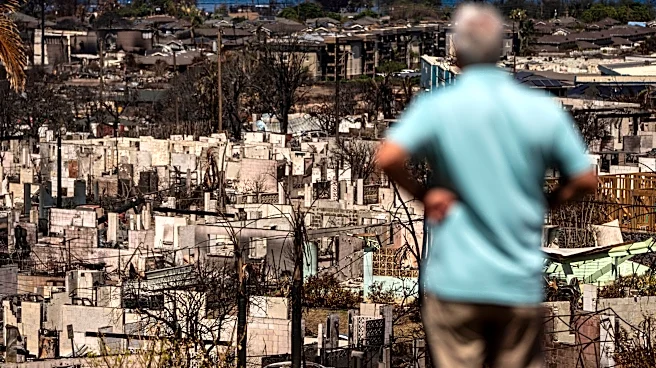
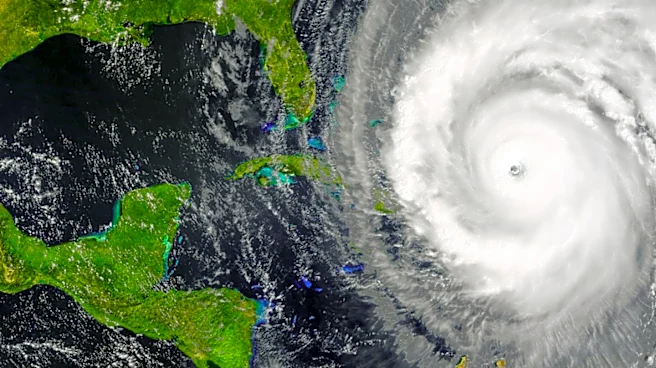
sector's preparedness, resilience, and sustainability in the face of increasing climate change and environmental hazards. The Caribbean region is particularly vulnerable to these threats, experiencing hurricanes, extreme heat, flooding, droughts, and shifting patterns of vector-borne diseases like dengue. These events have damaged health infrastructure, disrupted essential services, and put populations at risk. The new plan, developed through a PAHO/WHO-led consultative process, outlines regional priorities to help countries address current and future health challenges linked to environmental and climate risks. Dr. Daniel Buss, Chief of PAHO’s Climate Change and Environmental Determinants of Health Unit, noted that the updated plan emphasizes strengthening health system resilience, improving access to financing, and providing tools to protect at-risk populations.
Why It's Important?
This endorsement is crucial for the U.S. and the broader international community as it highlights the growing health security concerns in a neighboring region directly impacted by climate change. The Caribbean's vulnerability, particularly for Small Island Developing States (SIDS), means that climate-induced health crises could lead to regional instability, migration pressures, and increased demand for international aid, potentially involving U.S. resources. The plan's focus on strengthening climate-informed disease surveillance and early warning systems is vital, as the spread of vector-borne diseases like dengue could pose cross-border health risks. Furthermore, the emphasis on resilient health infrastructure and workforce preparedness ensures that essential health services can continue during and after environmental disasters, reducing the long-term humanitarian and economic burden. By addressing these issues proactively, the Action Plan aims to safeguard health gains and maintain access to services across the region, which is in the strategic interest of the U.S. to promote stability and public health in its vicinity.
What's Next?
The implementation of the new Action Plan will be country-led, with the Pan American Health Organization (PAHO) and the World Health Organization (WHO) providing support to Member States. The plan is structured around four strategic lines of action: governance and leadership, climate-resilient health systems, low-carbon health systems, and resources and financing. This includes embedding health in national and regional climate decision-making, strengthening disease surveillance and resilient infrastructure, reducing the health sector's carbon footprint, and mobilizing climate finance from domestic and international sources, such as the Green Climate Fund and the Adaptation Fund. The plan is also recognized as a public health good under the PAHO-CARICOM Joint Subregional Cooperation Strategy 2025–2029, reinforcing a shared commitment to regional health sector resilience. Future efforts will build on past achievements, such as the development of Health National Adaptation Plans and the training of health professionals in climate change and health.
Beyond the Headlines
The CARICOM Action Plan underscores a broader global shift towards integrating health considerations into climate change policies. Beyond immediate disaster response, the plan addresses systemic vulnerabilities, recognizing that climate change impacts health through multiple pathways, including the spread of vector-borne diseases, food and water insecurity, and displacement. The focus on low-carbon health systems also highlights a commitment to reducing the healthcare sector's own environmental footprint, aligning with global sustainability goals. This initiative could serve as a model for other vulnerable regions, demonstrating how a coordinated, multi-sectoral approach can build resilience against climate-related health threats. The plan's emphasis on securing international climate finance also points to the critical need for developed nations to support developing countries in their adaptation efforts, recognizing that climate change is a shared global challenge with interconnected health and economic consequences.